Monetary Policy
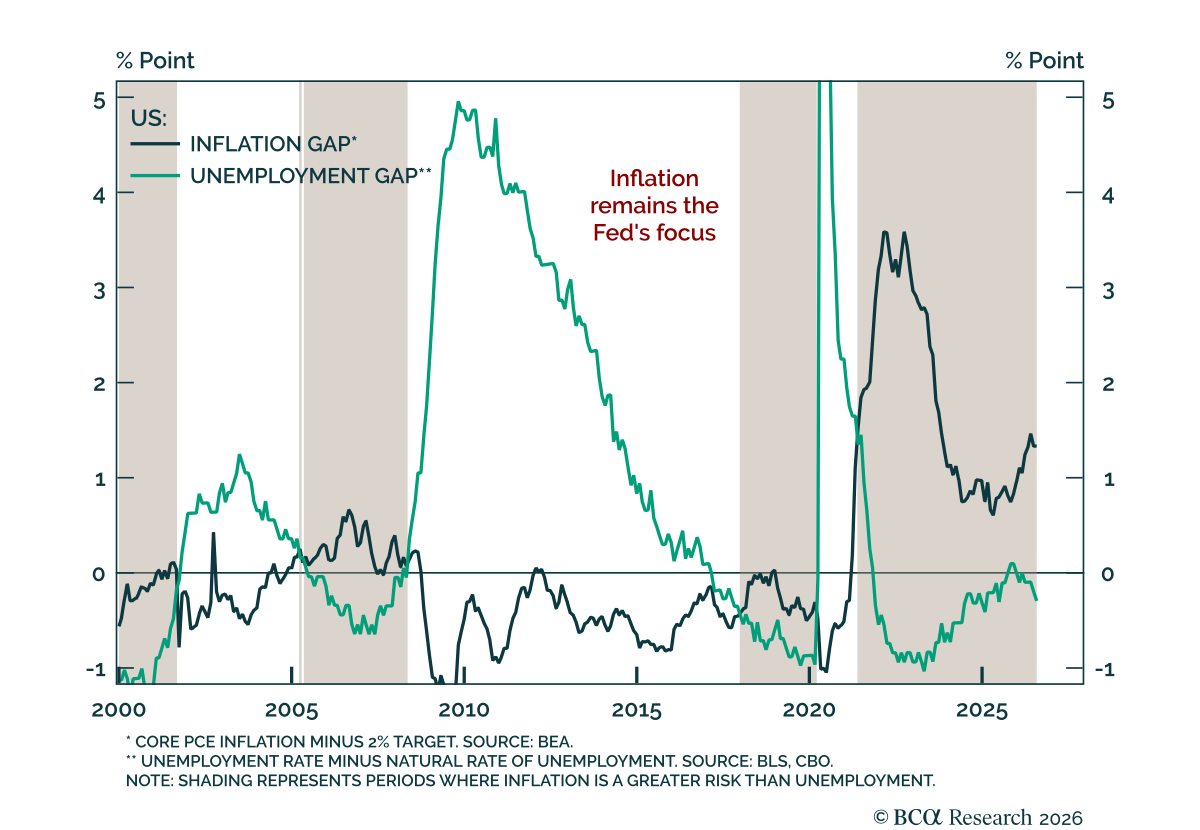
Fed Chairman Warsh used his first Jackson Hole speech to reset his communications approach, laying out a reaction function broadly in line with the rest of the FOMC. After mixed reviews of the first two Fed meetings under his leadership, Warsh delivered a…
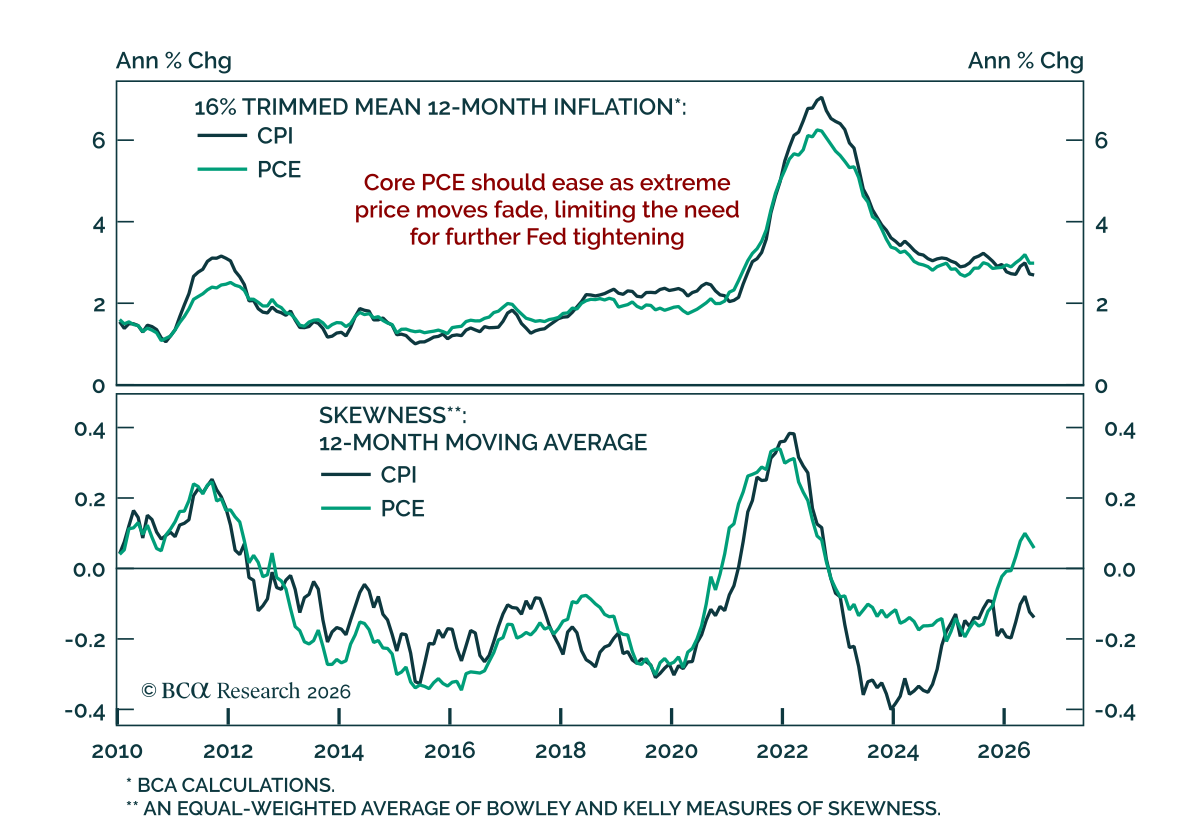
Core PCE inflation is likely to move lower as the extreme price moves driving its gap with CPI fade, limiting the need for additional Fed tightening. Our Chart Of The Week comes from Ryan Swift, Chief US Bond Strategist, who investigated the gap that has…
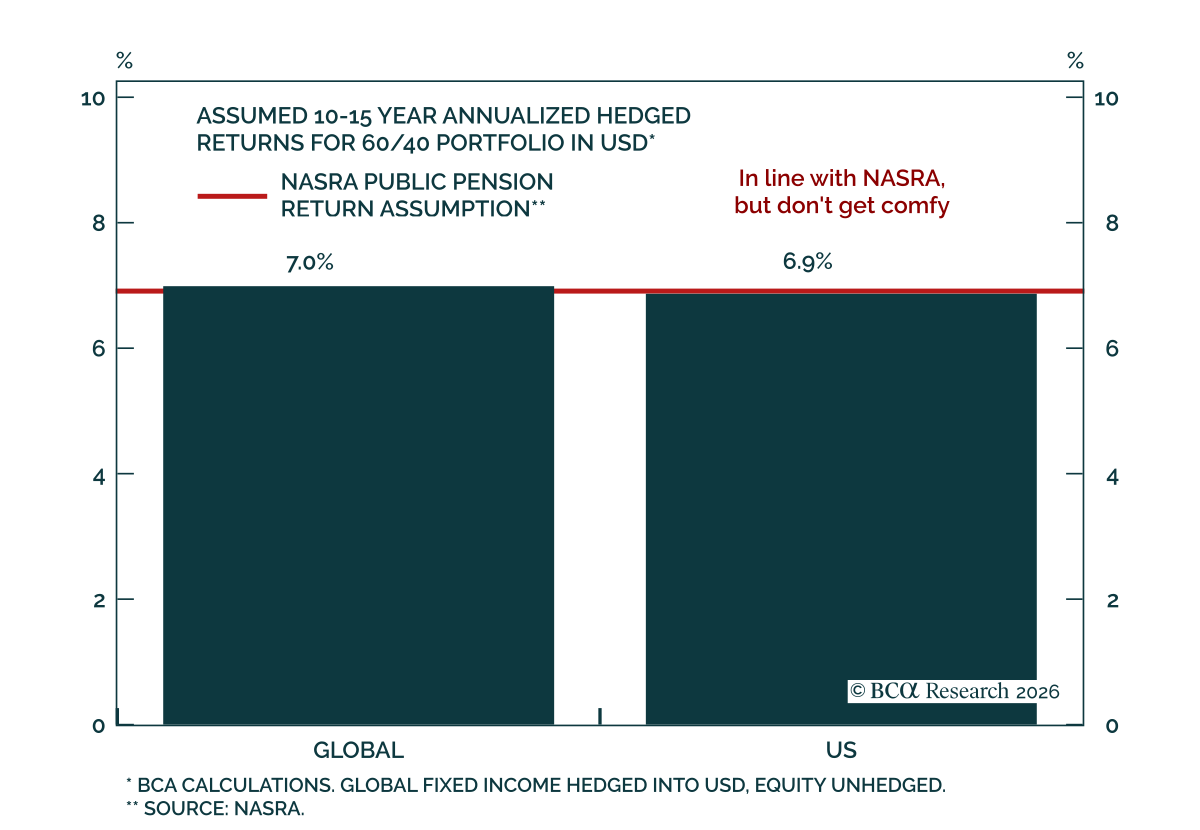
Our Portfolio Construction strategists estimate a US 60/40 portfolio will return 6.9% annualized over the next 10-to-15 years, with a Global 60/40 at 7.0% for hedged USD investors. In real terms, those translate to 4.4% and 4.6%. The Global 60/40 assumption…
An investor might not guess it from the Trump administration’s impatience with bond-market, military and tariff roadblocks, but the US economy is faring just fine. Asset allocators should remain fully invested as per their benchmarks.
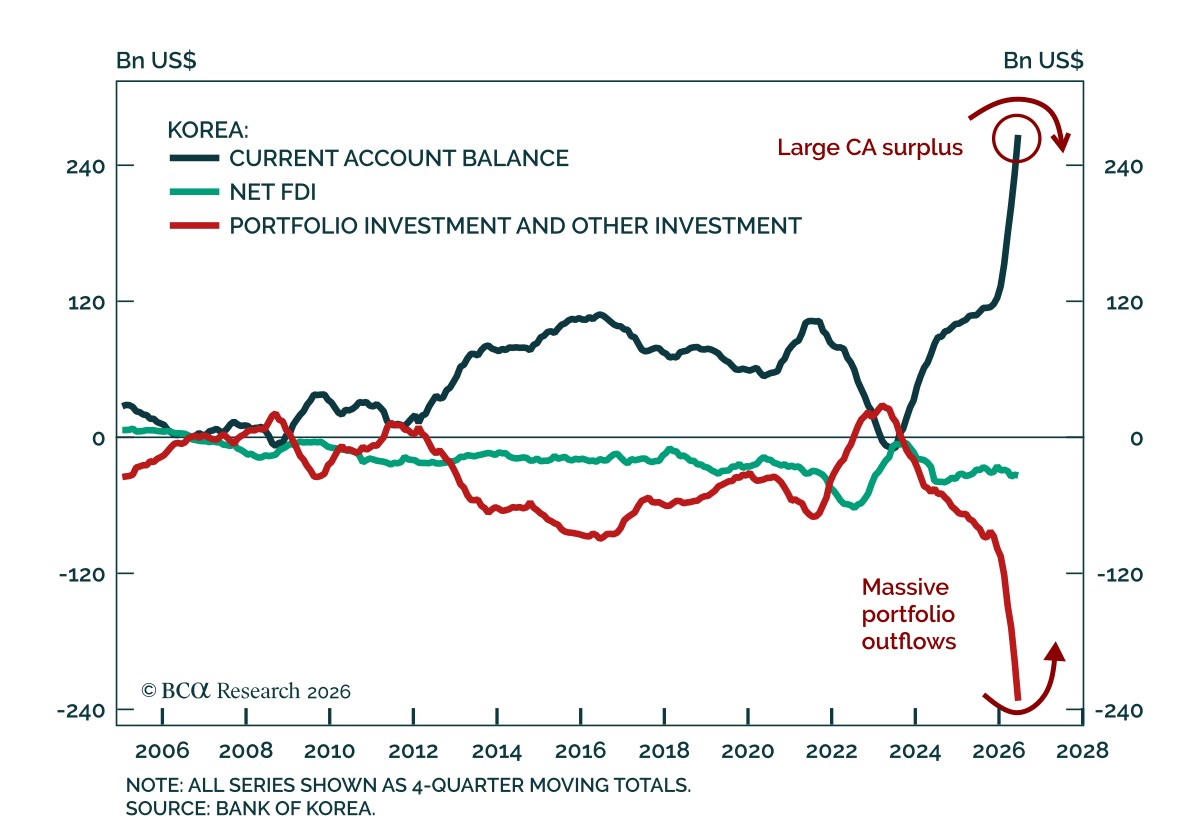
The Bank of Korea (BoK) delivered a second consecutive hike by raising its policy rate by 25 bps to 3.0%. While another hike is possible this year, our Emerging Markets strategists think a surging Korean won will tighten financial conditions enough to…
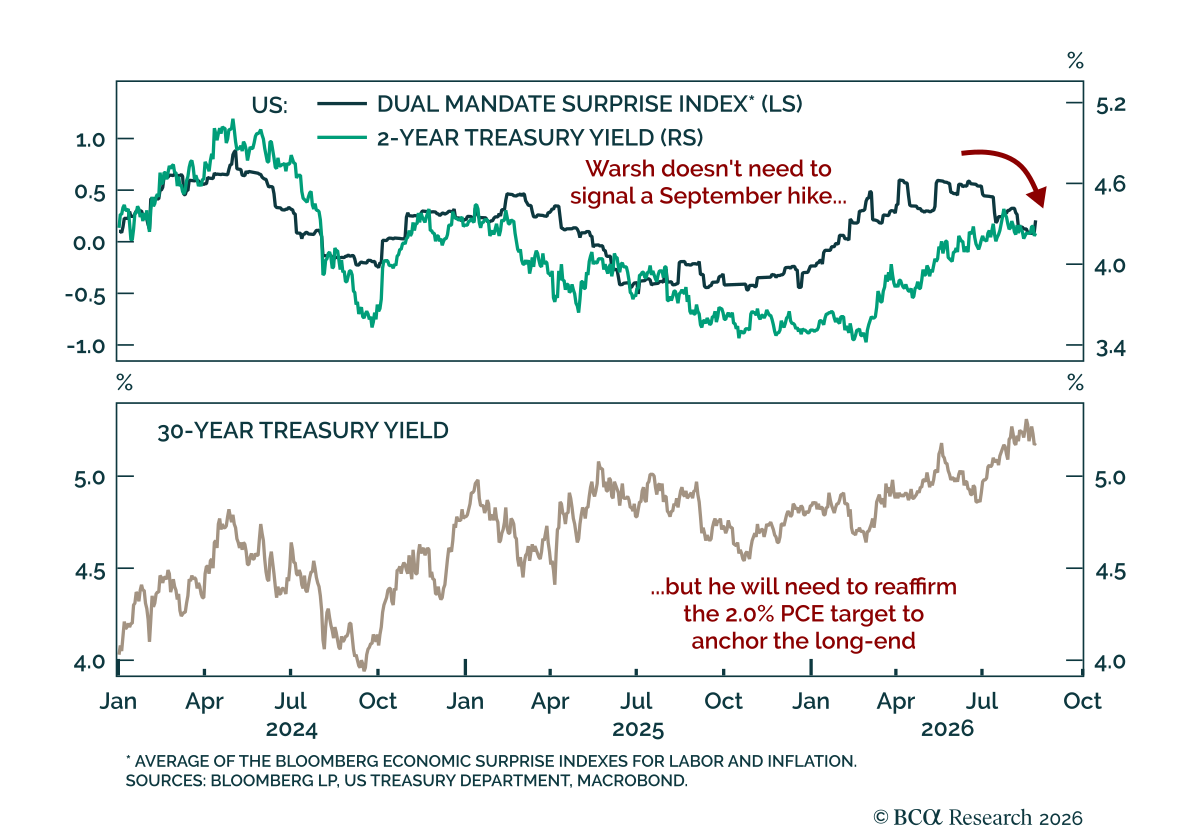
We expect Chairman Warsh’s first Jackson Hole speech to focus on his task-force agenda rather than provide guidance on the September meeting. The speech matters because it is Warsh’s first appearance at Jackson Hole, his first speech as Chairman outside…
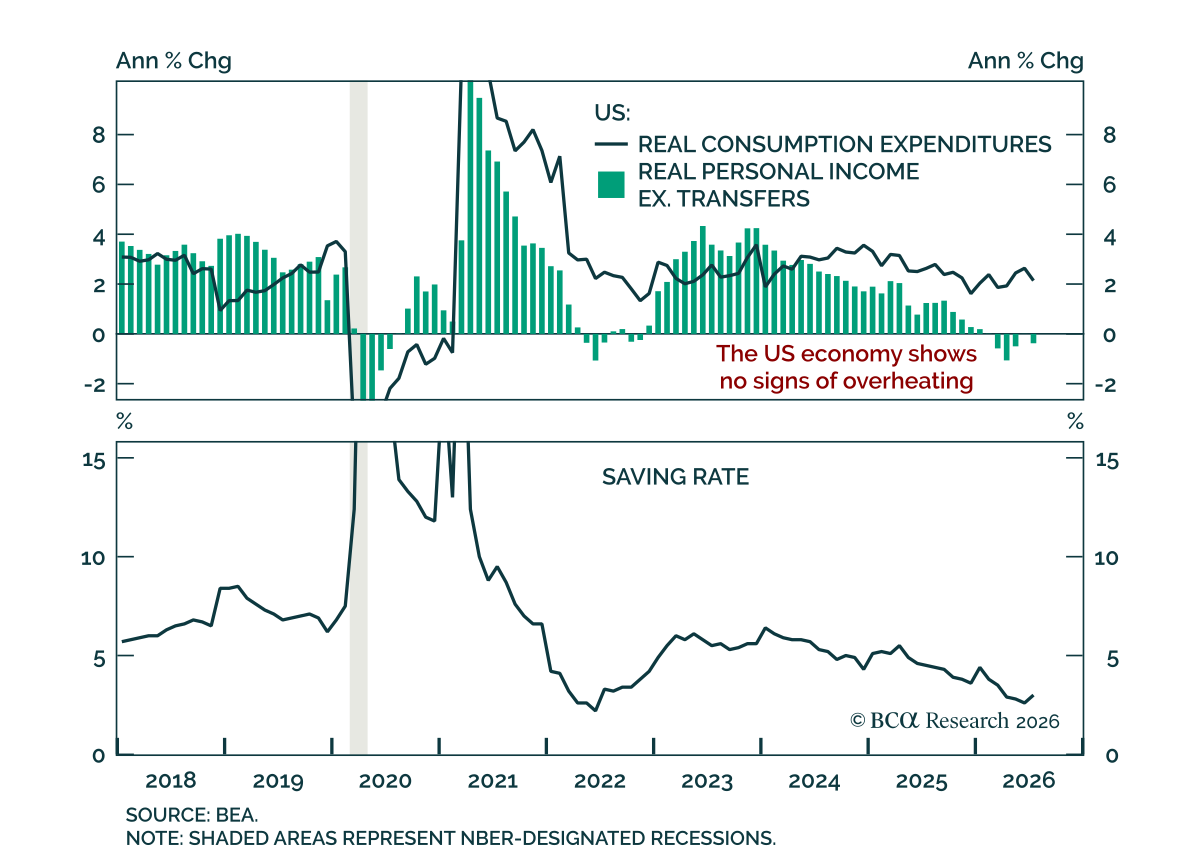
The July Personal Income and Outlays report showed firmer household income, flat real spending, and no renewed acceleration in inflation, giving the Fed little reason to tighten more aggressively. Nominal spending rose 0.2% m/m, slightly above estimates, but…
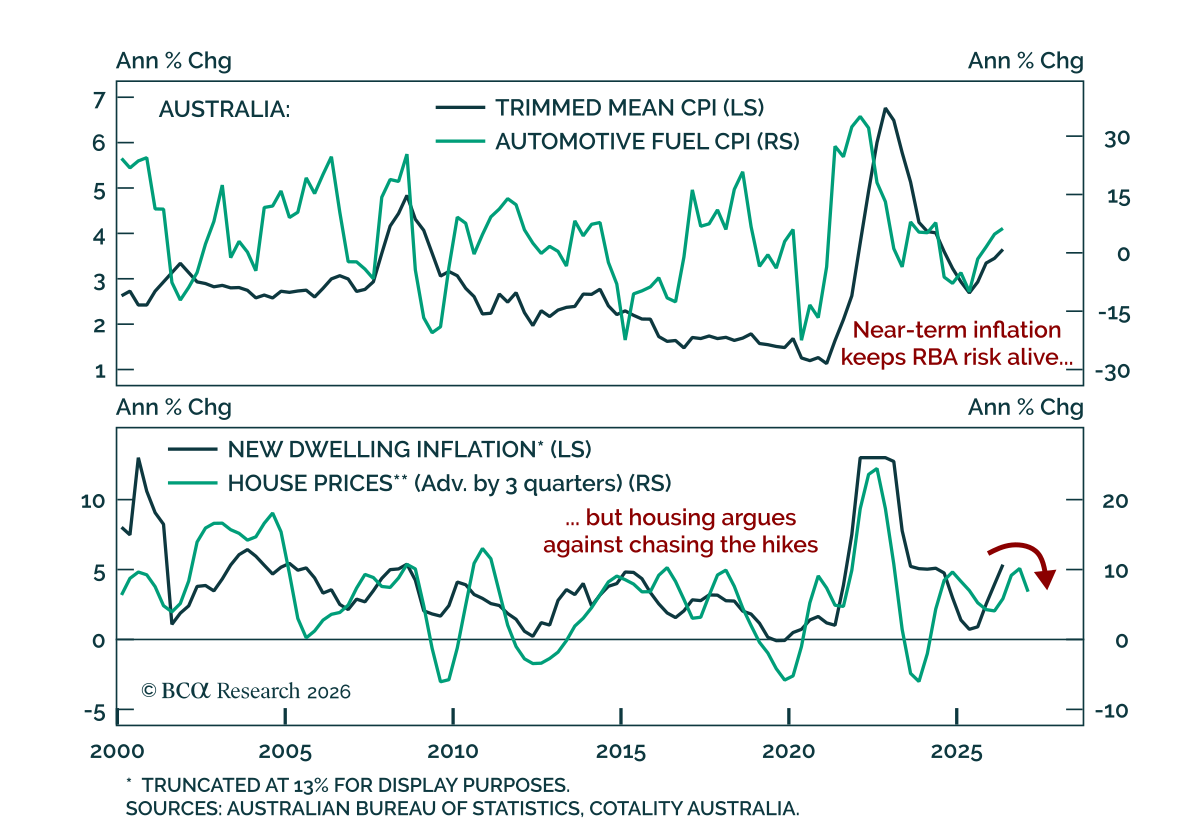
Australia’s latest inflation beat will keep RBA tightening risk alive, but the forces shaping inflation over the next year are becoming more disinflationary. Headline CPI eased to 3.5% y/y in July from 3.8%, but exceeded the 3.3% consensus. While trimmed-mean…
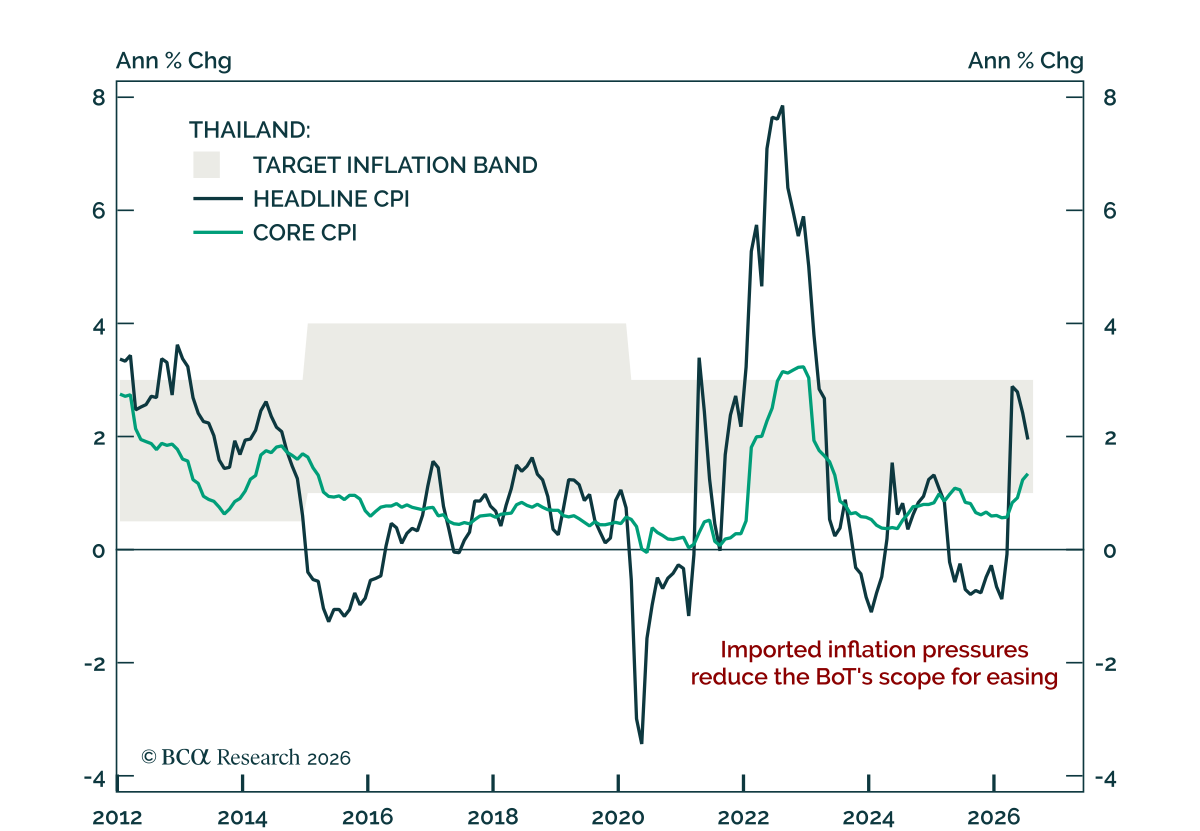
The Bank of Thailand kept its policy rate unchanged at 1%, against a backdrop of weak domestic demand and a still-elevated energy import bill. Although inflation has slowed and domestic demand subdued, the BoT continues to face significant imported inflation…
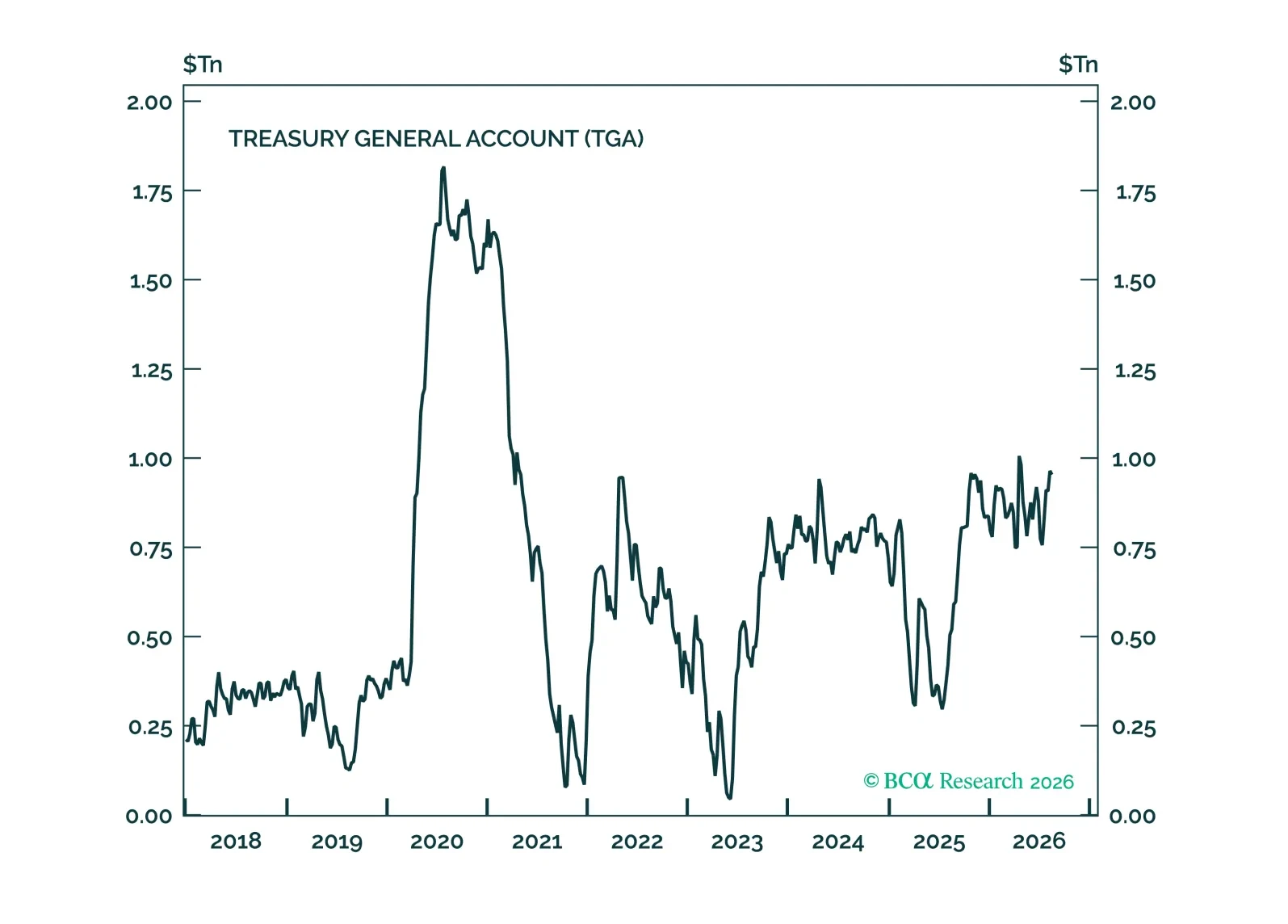
The US Treasury department’s attempts at yield suppression are doomed to fail unless the Federal Reserve gets involved.