United States
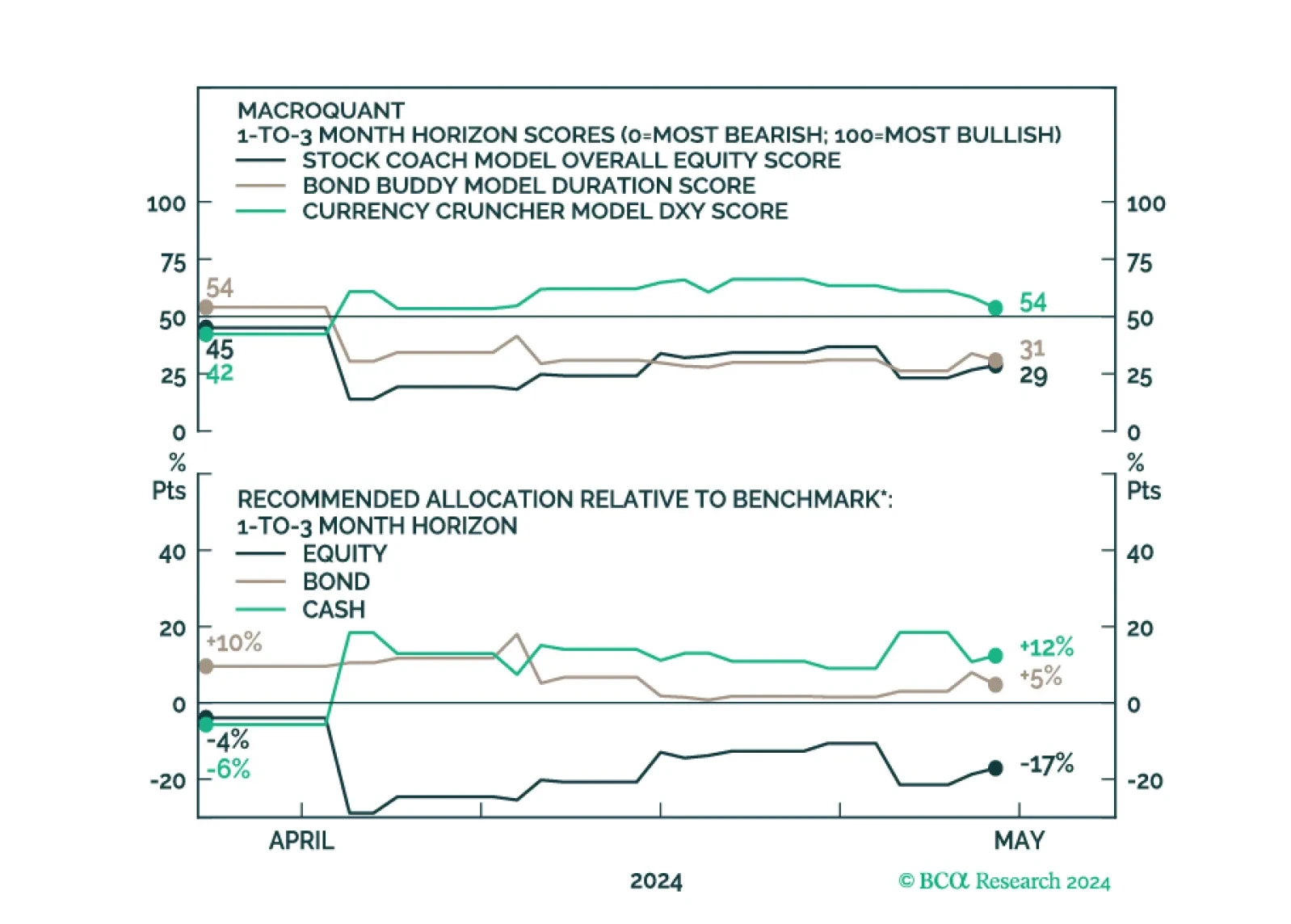
MacroQuant downgraded equities from neutral to underweight on a 1-to-3 month horizon. The model suggests increasing exposure to cash.

The Q1 US Employment Cost Index (ECI) accelerated at a faster-than-expected 1.2% q/q rate, from 0.9% q/q in Q4. On a year-on-year basis, it rose by 4.2% in Q1 and follows a similar annual increase in the previous quarter. The Fed is not expected to cut…
The house price index from the Federal Housing Finance Agency grew by 1.2% in February, improving from a decline of 0.1% previously, and above expectations of 0.1%. Meanwhile the S&P/Case-Shiller Home Price Index rose by 7.3% on a year-on-year basis in…
The trimmed mean PCE was released on Friday by the Dallas Fed. This measure removes the top 31% of items with the highest inflation and the bottom 25% of items with the lowest inflation within the PCE basket. Historically, it has served as an accurate gauge…
EUR/USD has fallen by almost 5% since July last year. There are fundamental reasons why this move has taken place. The US economy has shown significant more resilience than the European one. Consumption continues to be strong, and GDP is still growing at a…
According to BCA Research’s US Bond Strategy service, the May FOMC meeting is unlikely to cause a stir in fixed income markets. The Fed will hold an FOMC meeting next week and while it will not update its economic or interest rate projections, we will be…
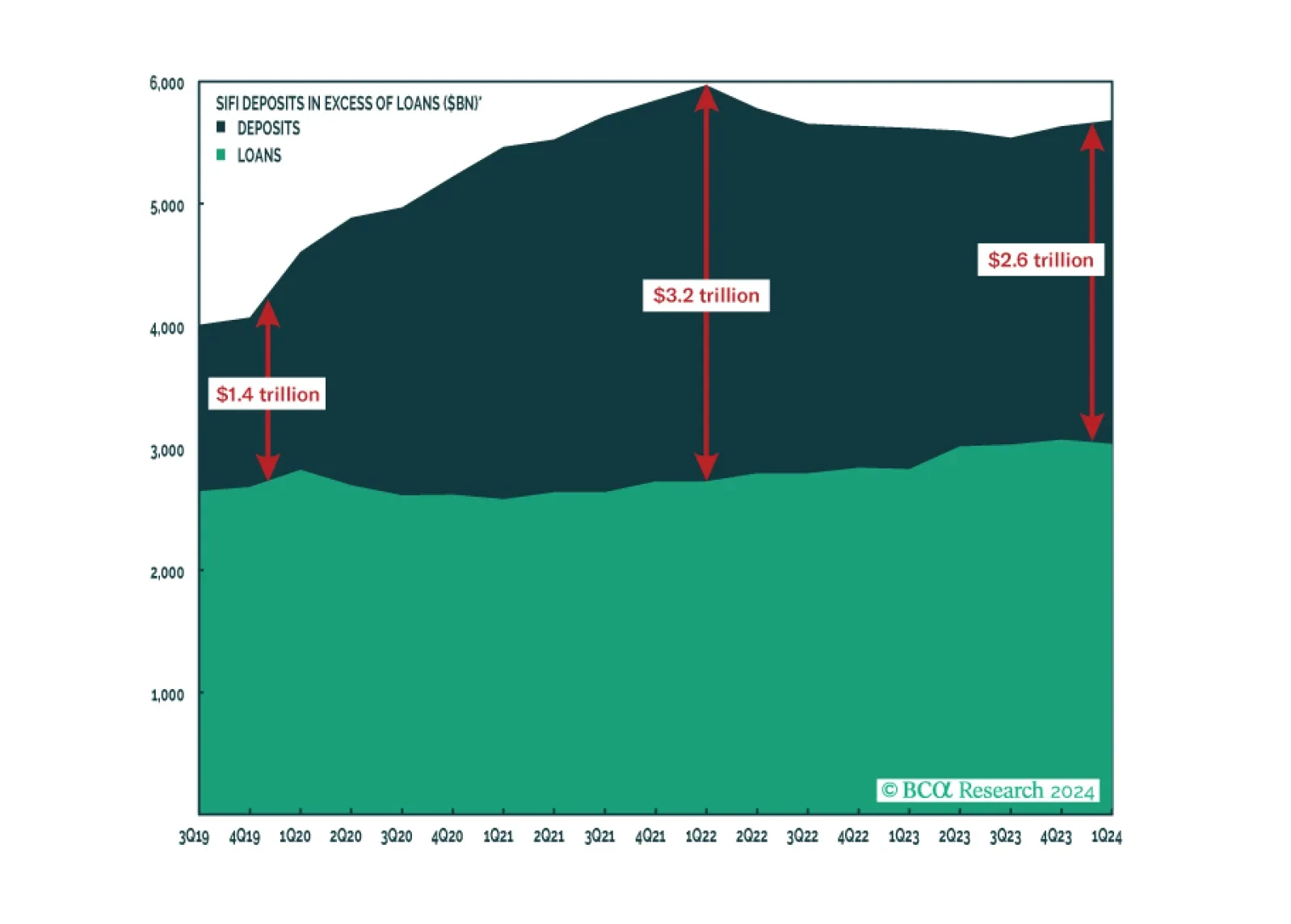
The latest edition of our Big Bank Beige Book suggests the expansion remains intact, though weakness in C’s private-label credit card portfolio could be a harbinger of distress among lower-income consumers. We remain tactically neutral with a bias to turn defensive once clearer signs of a recession emerge.
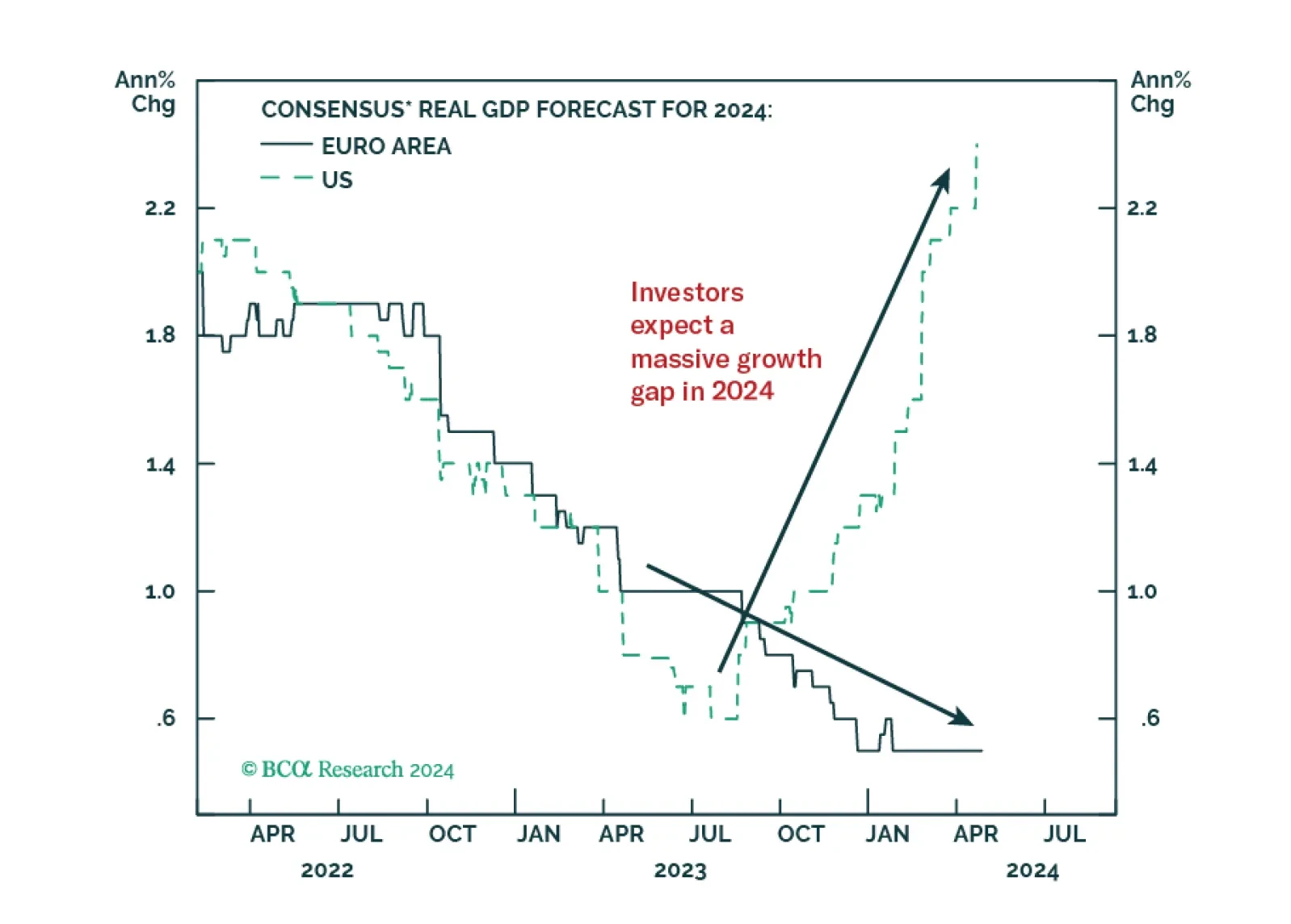
Investors anticipate a record growth gap between the US and the Eurozone in 2024. Does this skewed expectation create market opportunities?
Friday’s US Personal Consumption Expenditure report for March showed headline and core PCE inflation both came in at 0.3% m/m, in line with expectations. Meanwhile the increase in annual headline PCE number from 2.5% y/y to 2.7% y/y, was more pronounced than…
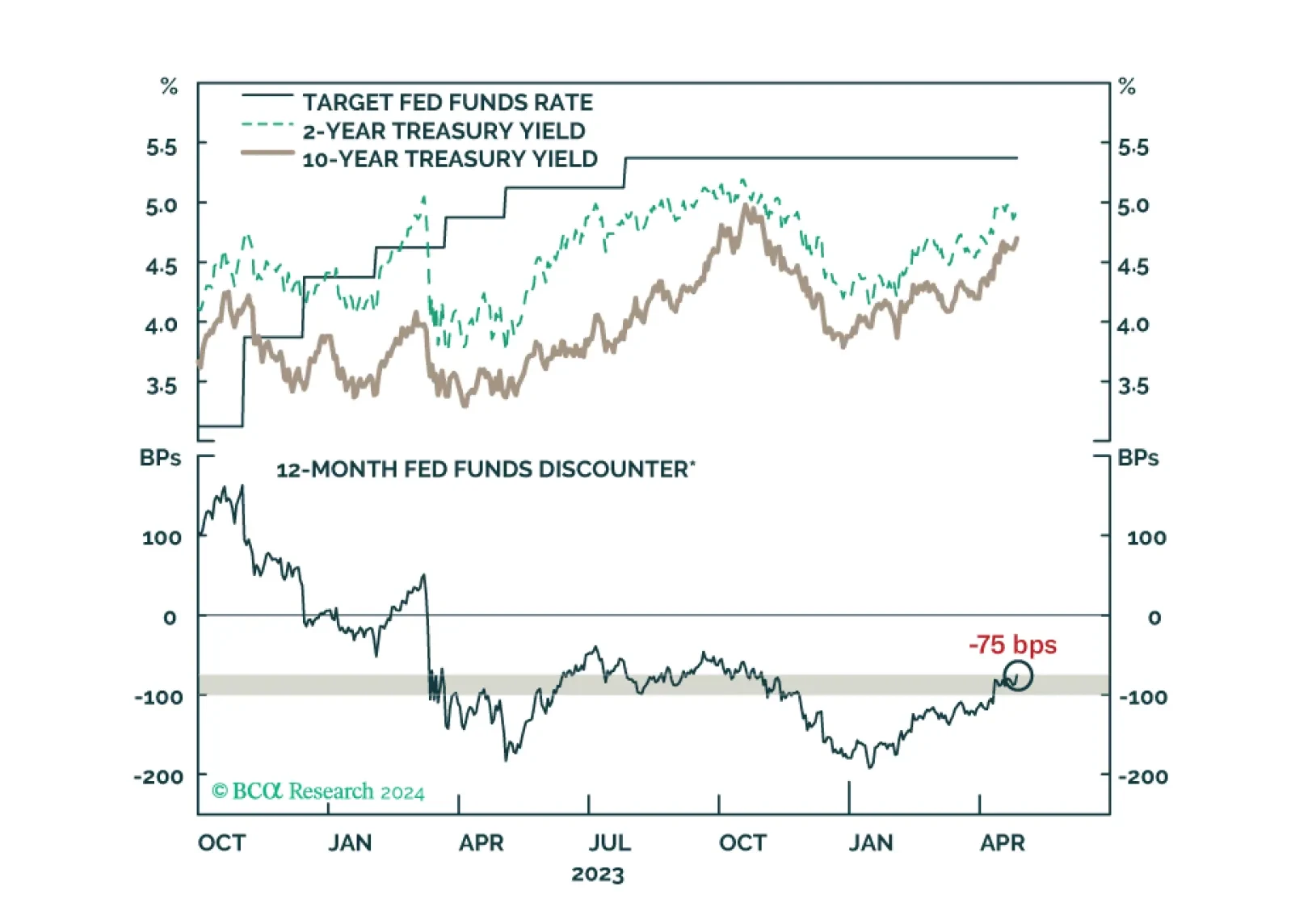
Our latest views on the recent increase in Treasury yields and some key things to watch at next week’s FOMC meeting.