Economy
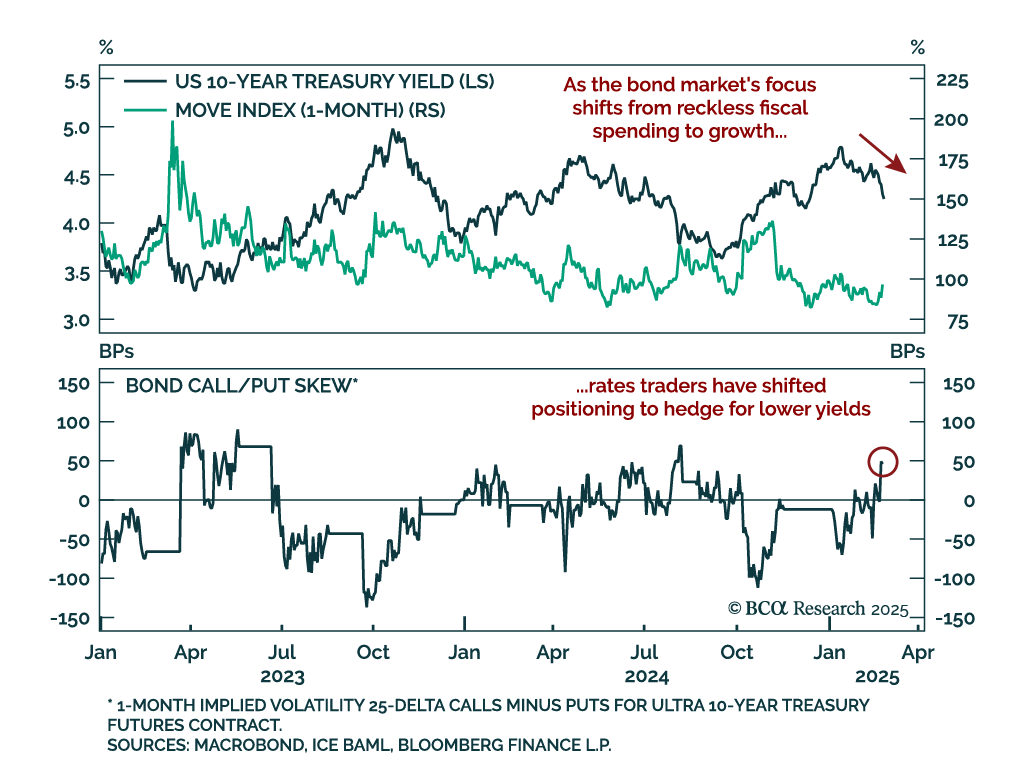
The House of Representatives passed a Budget Resolution bill that adds $2.8tn to the deficit by 2034. Our Geopolitical strategists highlighted during our BCA Live & Unfiltered meeting that the Senate is likely to modify it by increasing tax cuts and…
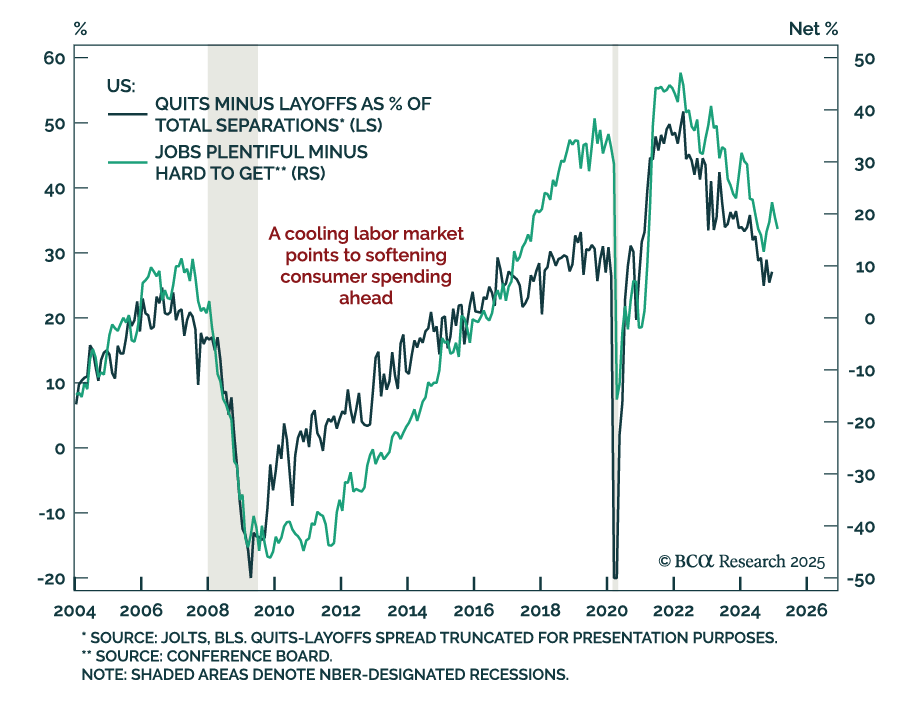
The February Conference Board Consumer Confidence index missed estimates for the third month in a row, falling to 98.3 from 105.3. Consumers’ assessment of both their current situation and their expectations worsened, with the latter falling close to 10…
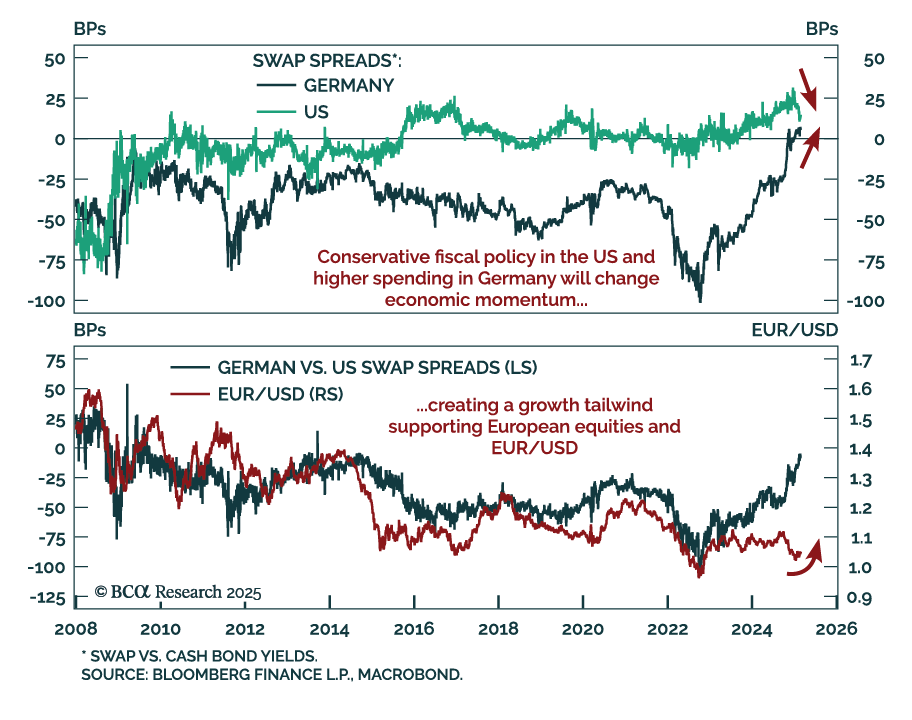
German election results were roughly as expected, but Europe’s biggest economy suddenly just got more interesting. While the details of the governing coalition have yet to be finalized, Chancellor Merz has floated options to ease the “debt brake”, which…
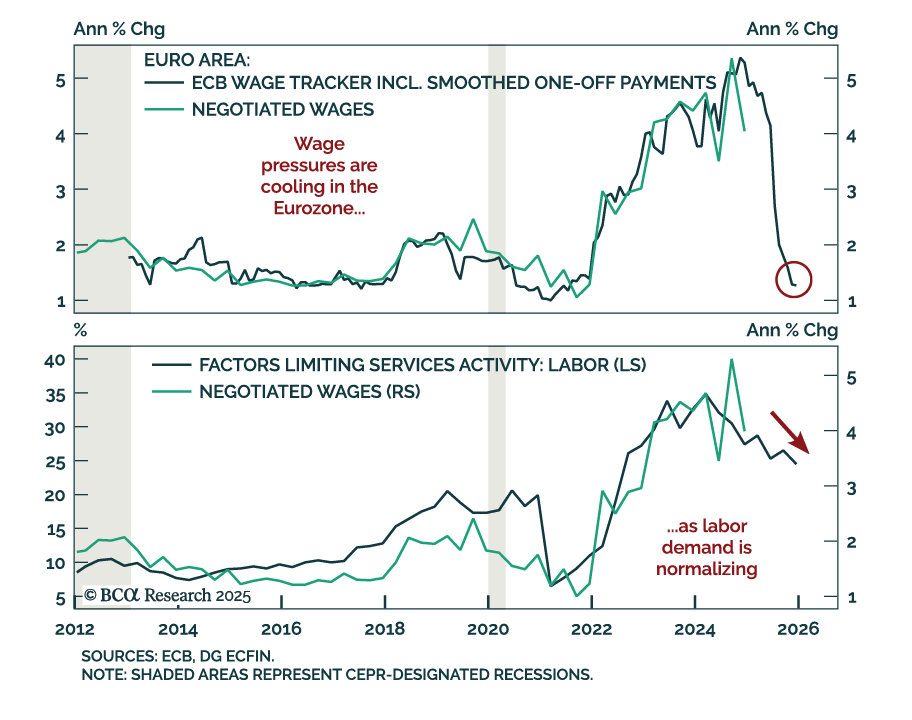
Fourth-quarter European negotiated wages growth cooled to 4.1% y/y, down from the 5.4% peak seen in Q3. The cooling is in line with the ECB’s Wage Tracker showing wage growth decelerating to 1.3% by the end of the year. Labor demand is easing in Europe,…
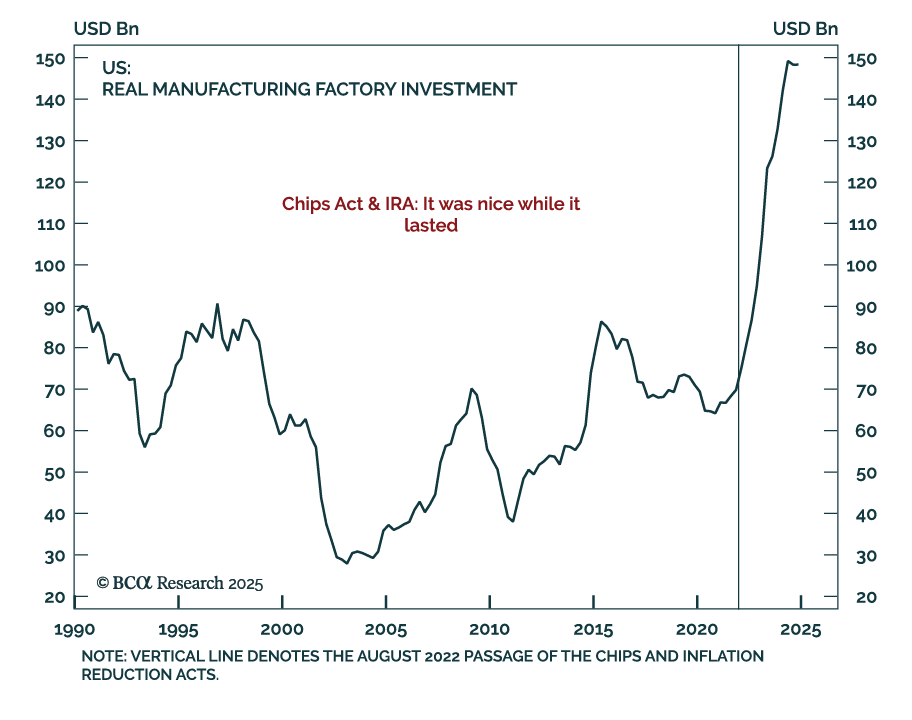
Our US Investment strategists visited Midwest clients, and provided a summary of their discussions with investors. Despite solid data, investors should focus on where the economy is headed rather than where it has been. Excess savings have been spent,…
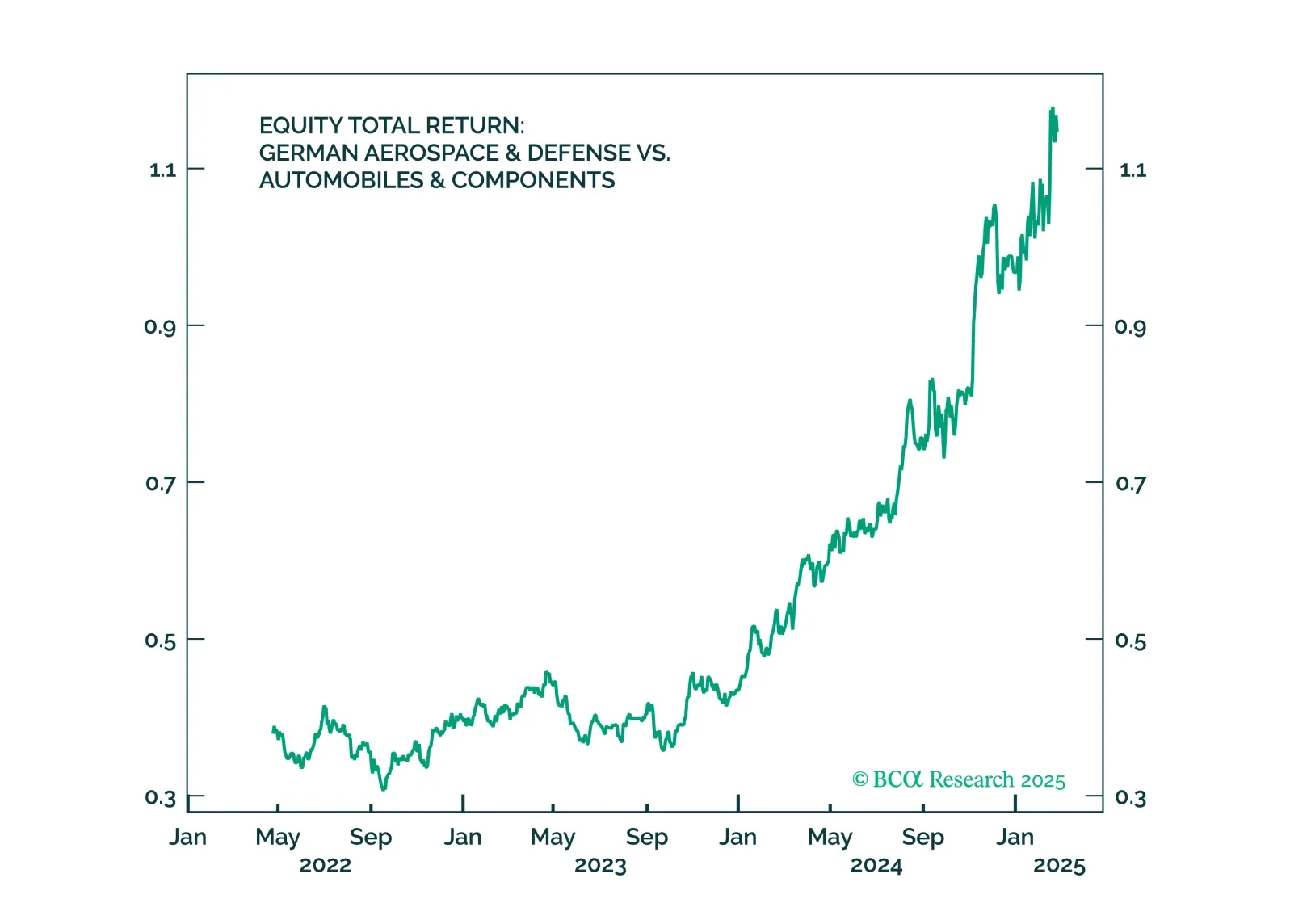
Trump’s ceasefire talks are positive for Germany – and so was the German election result. But Trump’s tariffs will hit Germany soon. Investors should use near-term volatility to increase exposure to Germany.
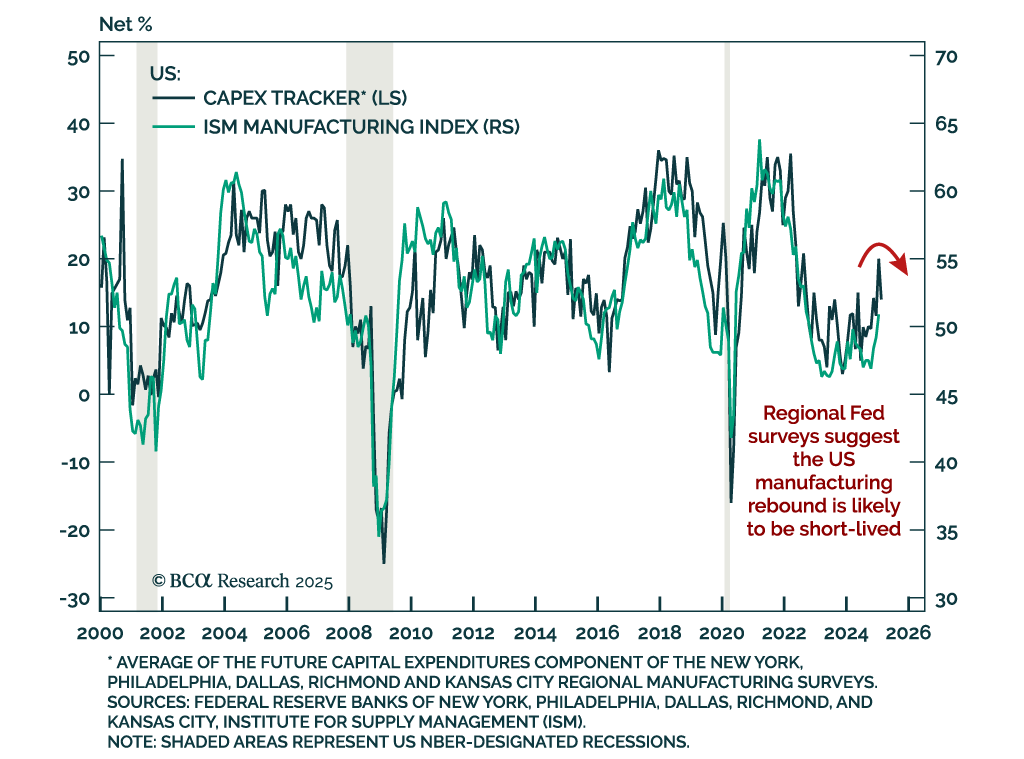
The February Dallas Fed Manufacturing index missed estimates, contracting at -8.3 vs. expanding at 14.1 in January. The underlying details of the report were quite poor, with current and future measures of activity broadly ticking down after increasing since…
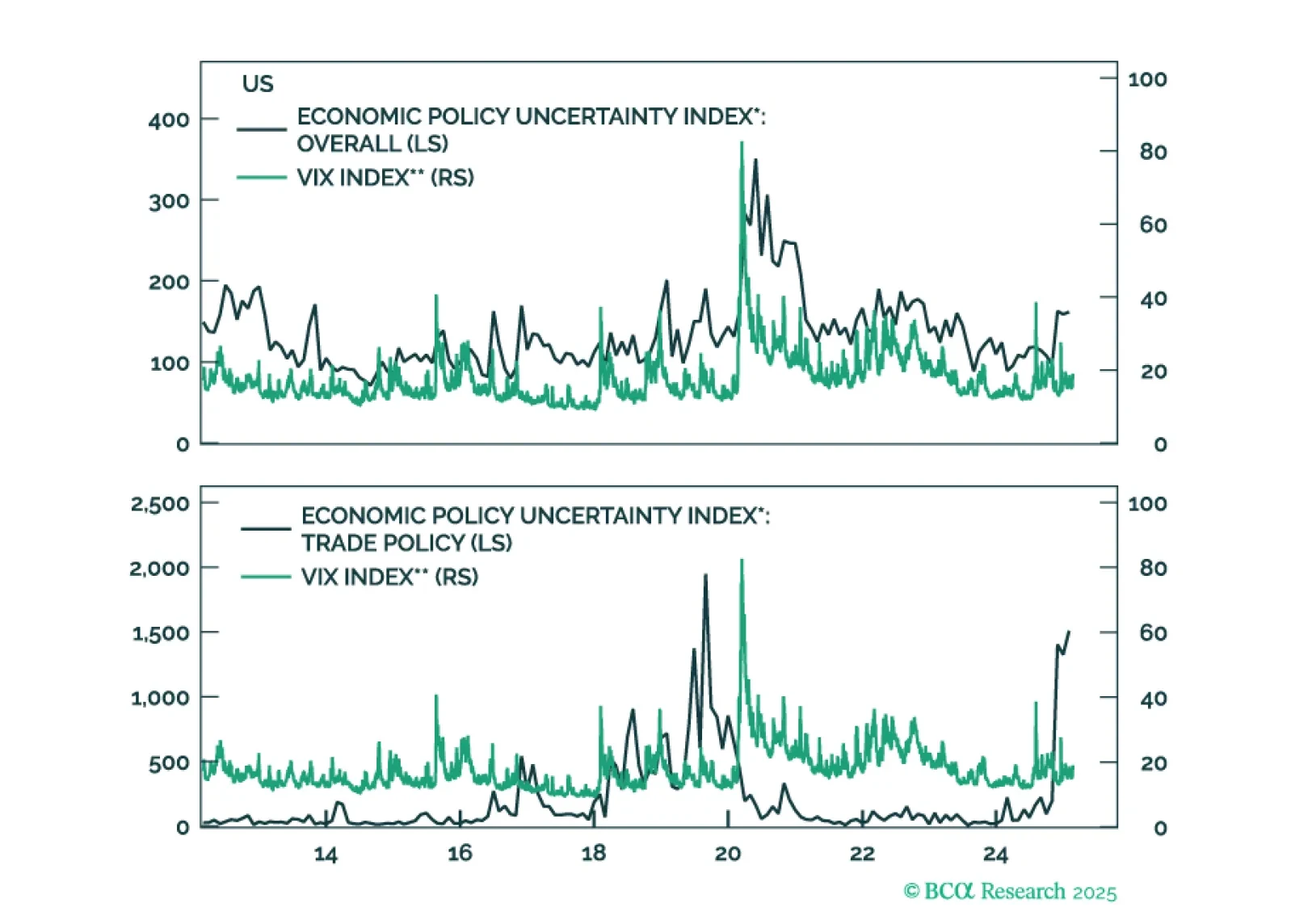
US growth has slowed in recent weeks. This can be seen in the weaker data on retail sales, consumer confidence, services PMIs, and a swath of housing releases (notably starts, existing home sales, homebuilder confidence, and stock prices). It can also be seen in the decline in GDP tracking estimates. The Atlanta Fed's GDPNow model projects growth of 2.3% in Q1, down from a peak of 3.9% on February 3. The Citi US Economic Surprise Index has also dipped into negative territory.
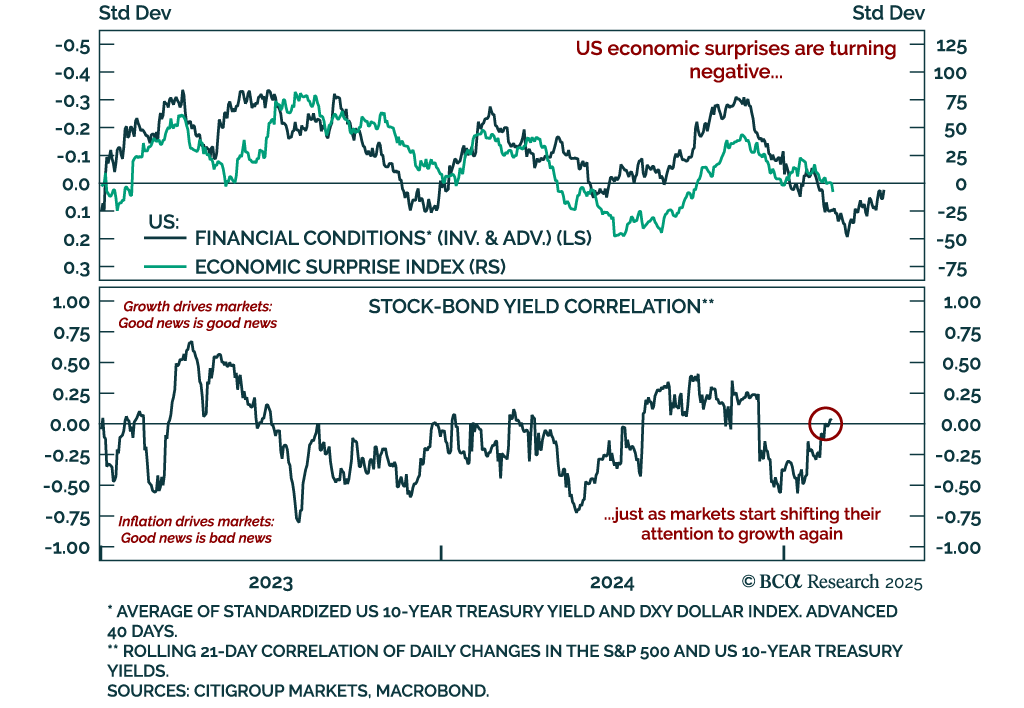
Two of our favorite indicators recently sent important signals. The first one, the short-term stock-bond yield correlation, recently drifted back to neutral territory after being negative. The correlation had been negative since December, reflecting increased…
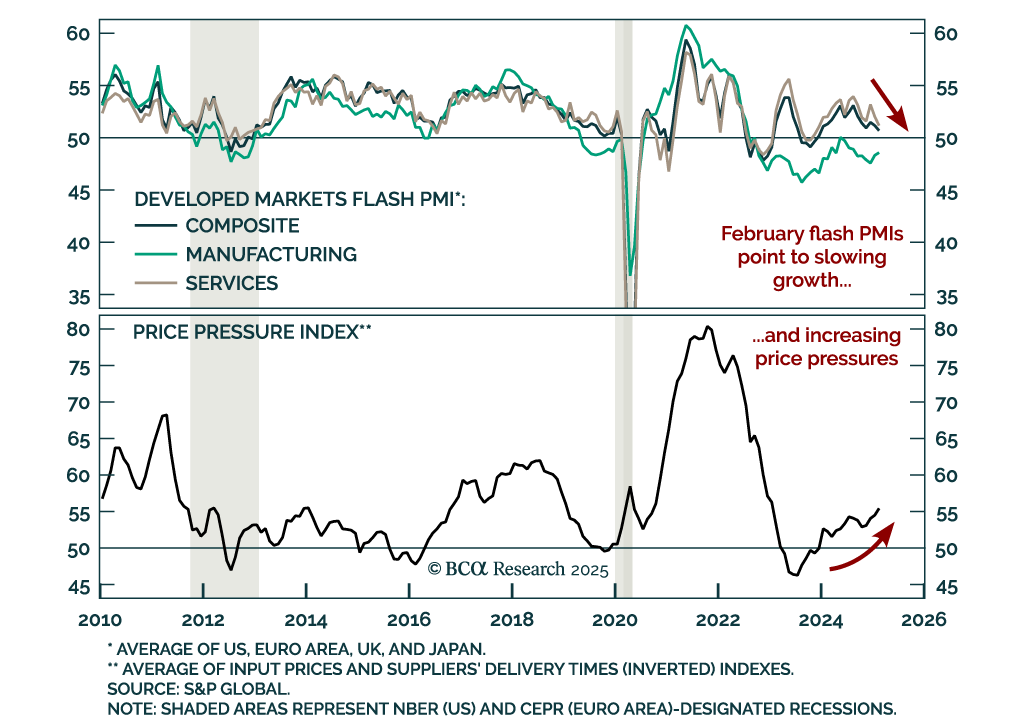
February’s flash PMIs for the major developed markets showed softening growth, and rising price pressures. The US composite index missed estimates and decreased to 50.4 from 52.7 in January. Services were a big contributor to the decline, with the index…