Manufacturing
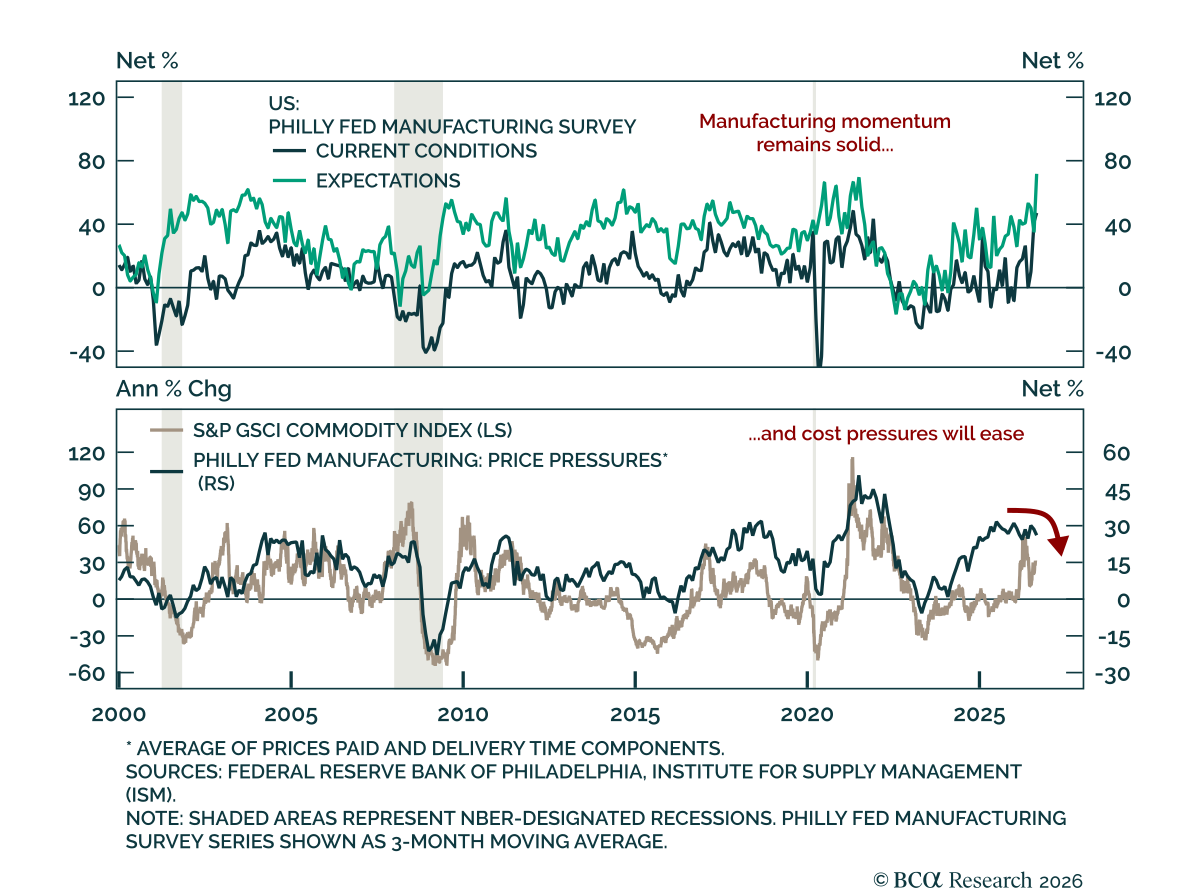
The August Philadelphia Fed survey points to strong manufacturing momentum without a renewed pickup in price pressures. The headline index rose to 47.4 from 41.4, well above estimates for a decline to 24.8. The print was also consistent with the strong Empire…

After Hormuz, Germany faces another shipping chokepoint, at home this time. Water level at the Rhine's river’s most critical chokepoint, Kaub, has fallen to just 11cm, the lowest reading since the 1970s. Forecasters warn it could take weeks of sustained rain…
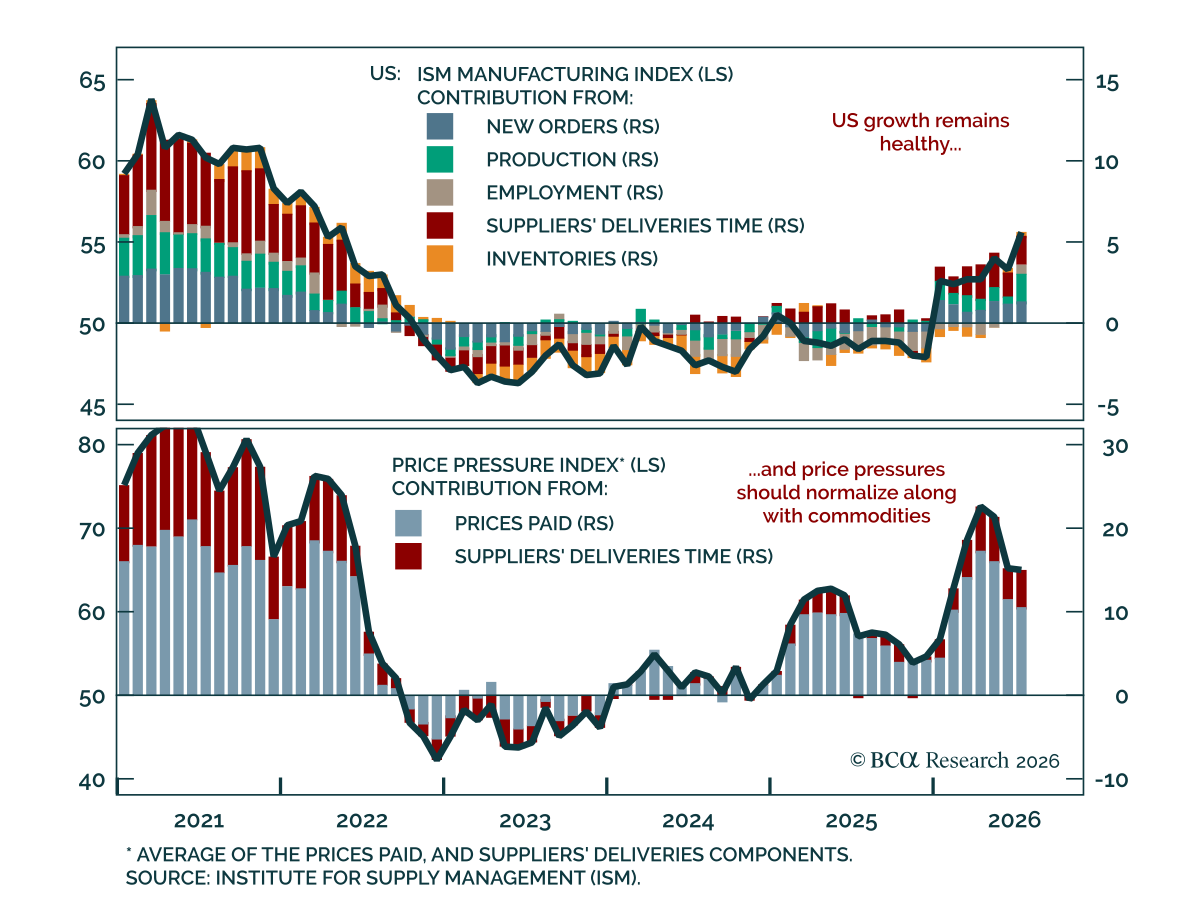
The July ISM Manufacturing survey confirms that US growth remains healthy without overheating, supporting a tactical overweight on equities relative to bonds. The headline index rose to 55.6 from 53.3 in June, beating estimates. The increase was driven…
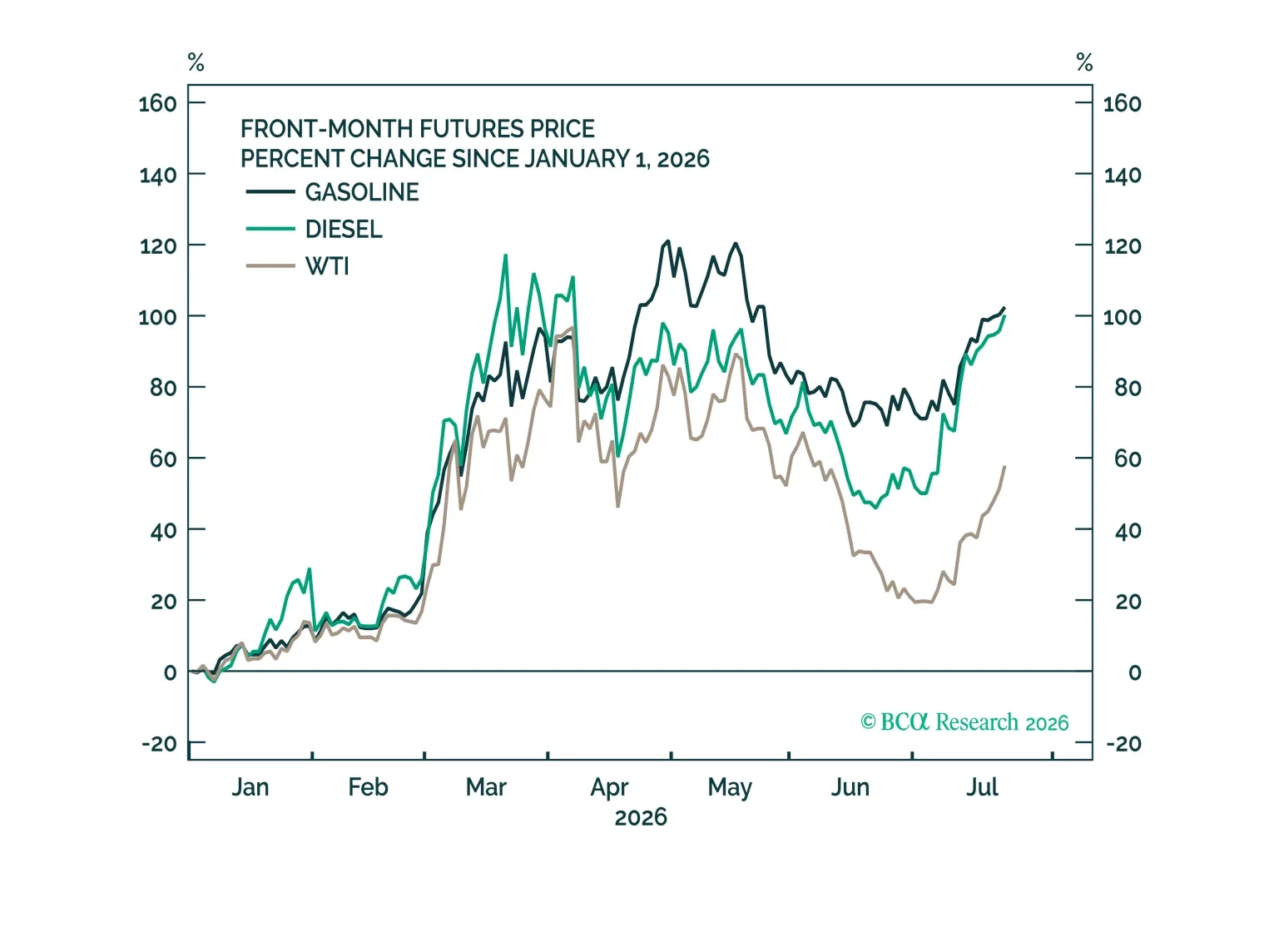
As long as the AI boom keeps booming, all other investment considerations will remain on the back burner. However, if the AI trade fizzles, this would expose deep-seated problems within the global economy, which could very well lead to an economic downturn as early as next year.
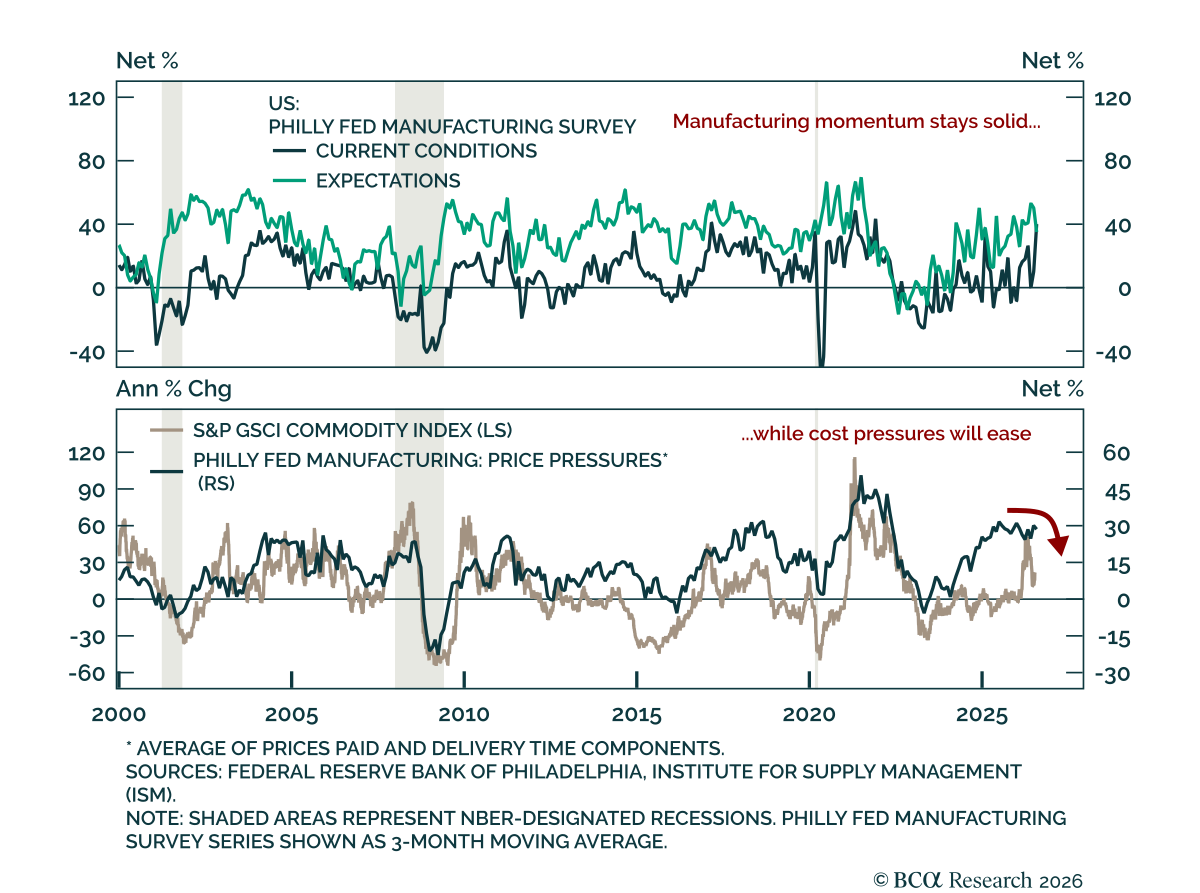
The July Philadelphia Fed survey beat estimates by a wide margin, which signals continued US manufacturing strength. The headline rose to 41.4 from 10.3, its highest in nearly five years. The Philly Fed survey is volatile but carries weight due to the…
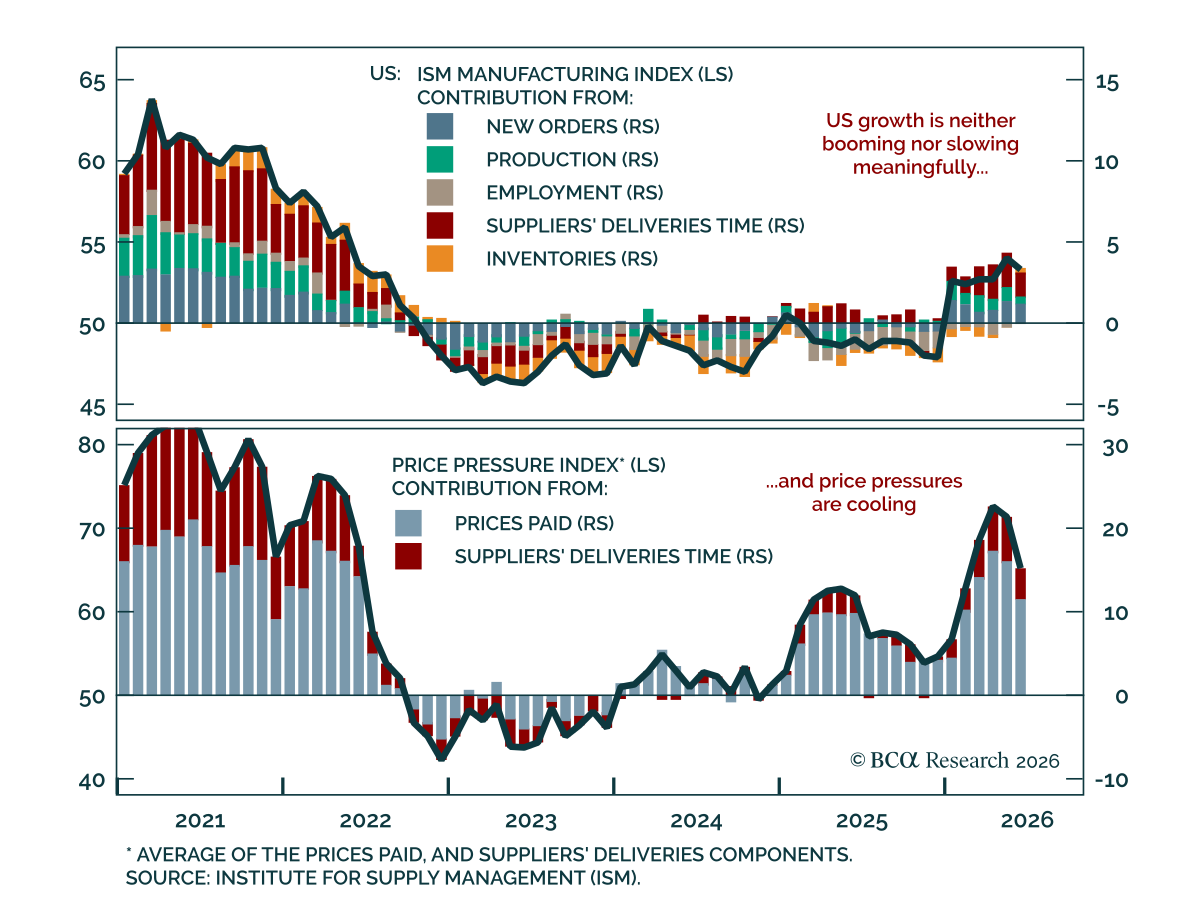
The June ISM Manufacturing index came in below estimates, but the broader US growth backdrop remains in a sweet spot. The headline index ticked down to 53.3 from 54.0. The slowdown was broad, with new orders easing to 56.0 from 56.8. Employment, however,…
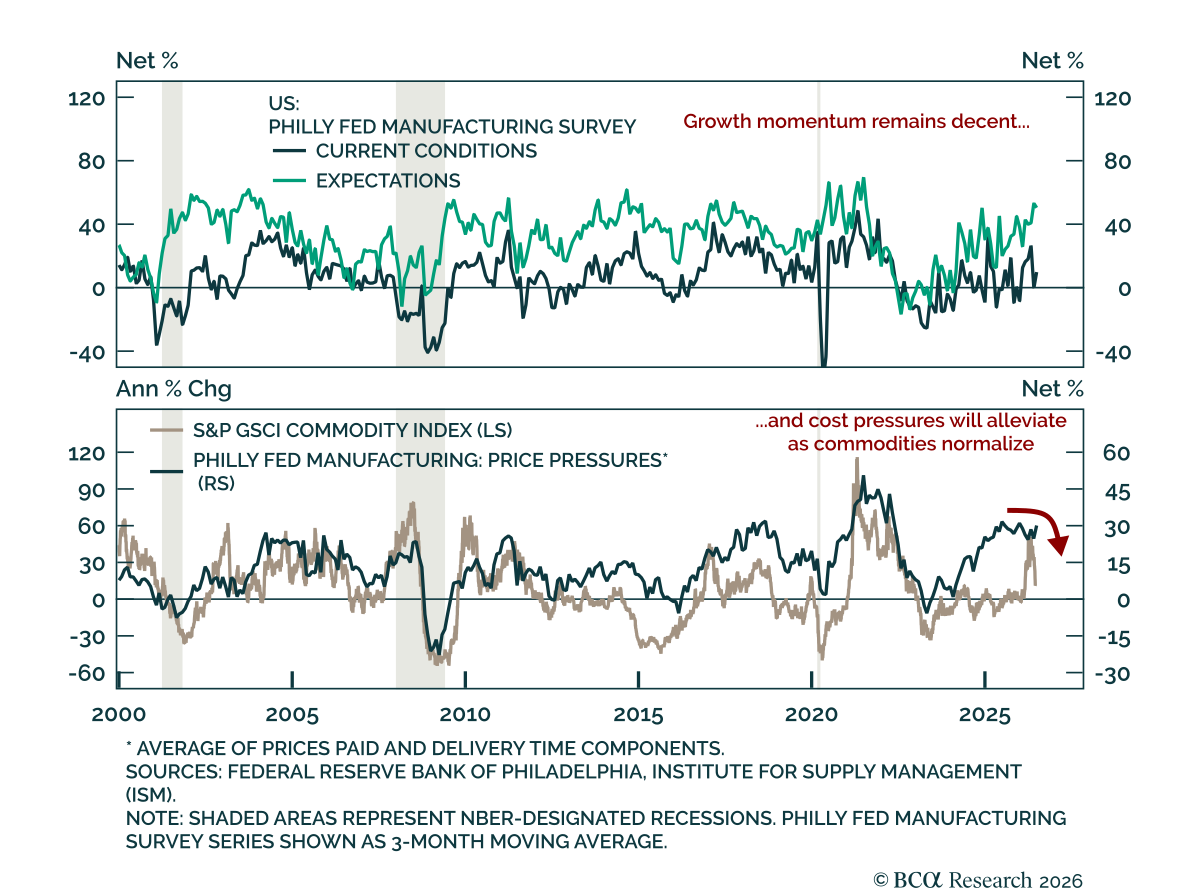
The June Philadelphia Fed survey improved, pointing to still-decent US growth. The headline index rose to 10.3 from -0.4, in line with estimates. New orders and employment also moved back into expansionary territory, while shipments increased. Despite its…

South Africa’s ambitious reform agenda will take time to bear fruit. Meanwhile, the country faces a stagflationary squeeze as inflation rises while growth slows. South African stocks, bonds, and currency are all vulnerable.
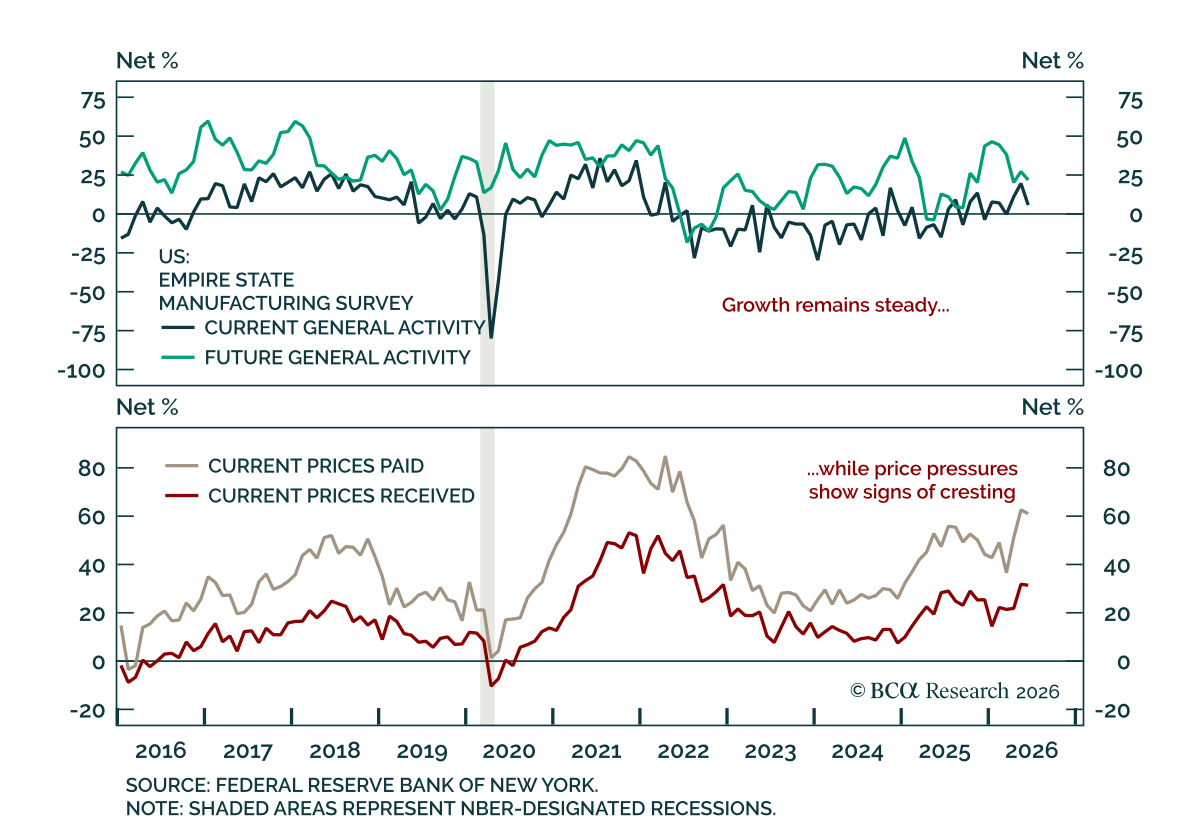
The June Empire survey cooled from May’s pace, but still pointed to continued US manufacturing growth. The headline fell to 5.7 from 19.6, missing estimates. The headline fell sharply from May, but still pointed to slower growth rather than contraction. The…
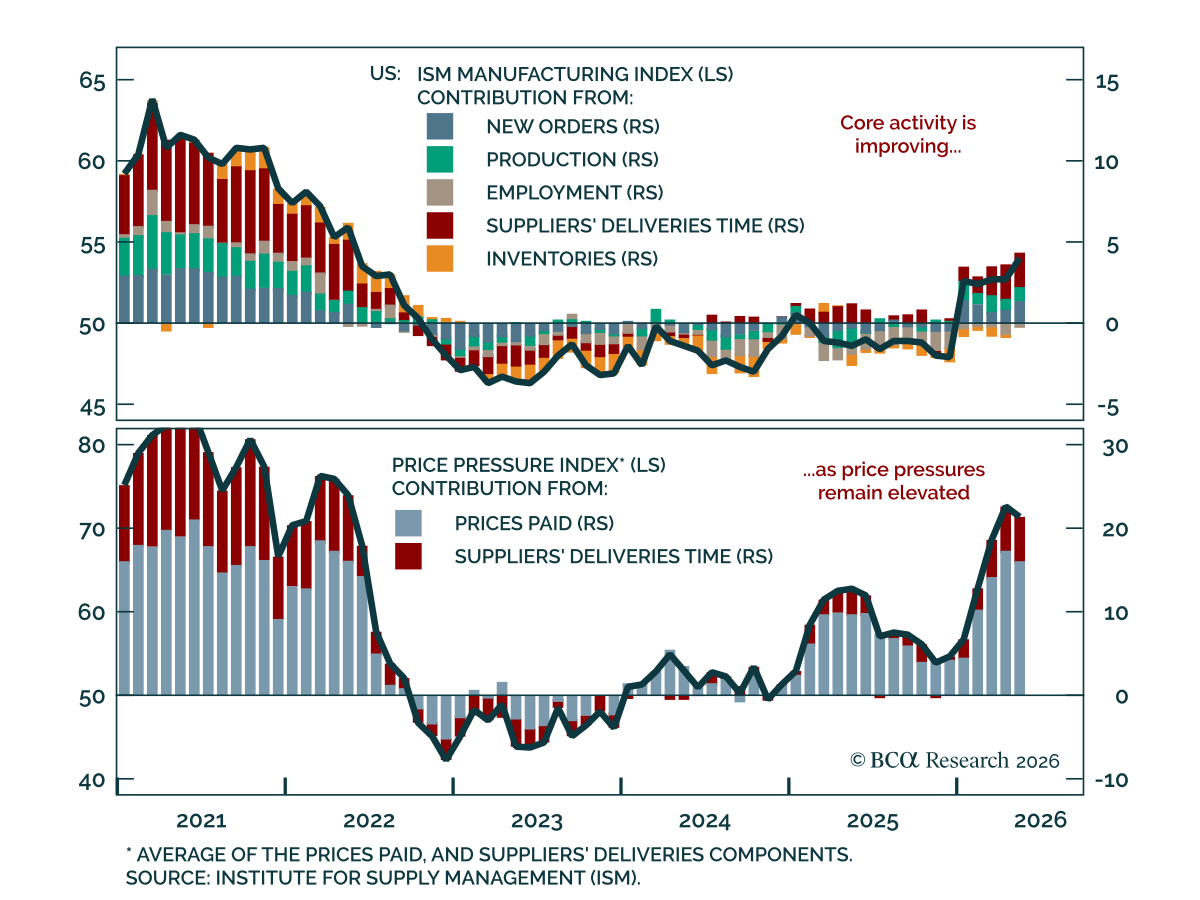
May’s US ISM Manufacturing report reinforces improving activity alongside persistent price pressure, highlighting continued inflationary impulse and hawkish risks to US monetary policy. The headline index came in at 54, above the market expectation of 53,…