Monetary Policy
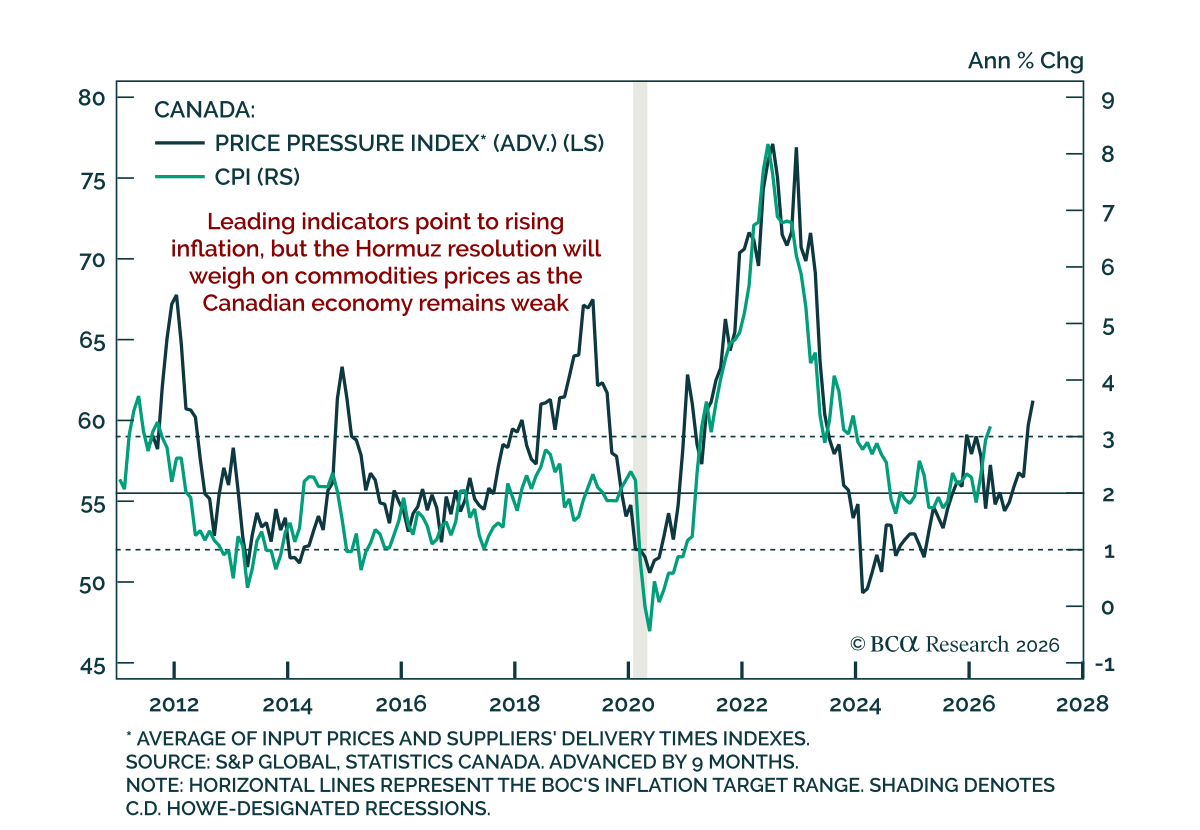
Canadian May inflation was hotter than estimates, but the underlying inflation picture remains much more muted. Headline CPI rose to 3.2% from 2.8%, moving above the Bank of Canada’s 1%-to-3% target range. The increase, however, was driven by energy, which…
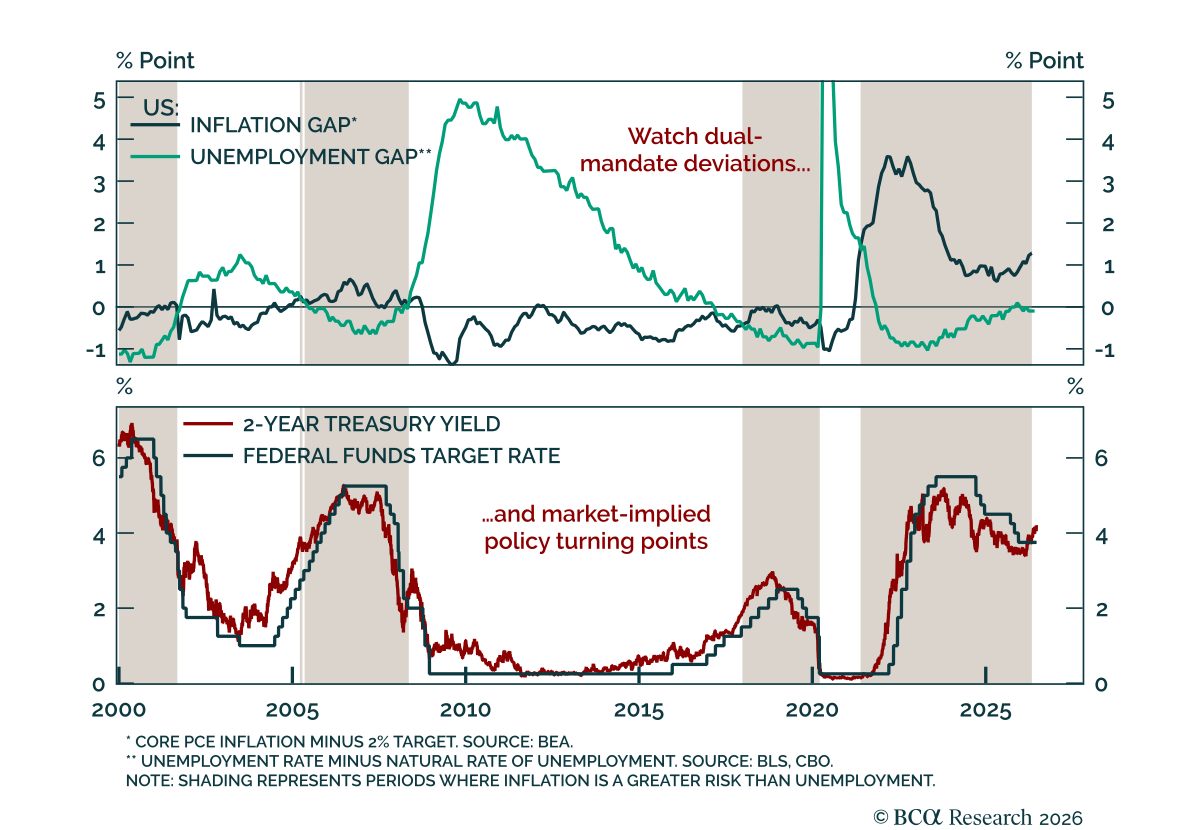
New Fed Chair Kevin Warsh wants to make Fed-watching great again. The Warsh Fed will speak less and guide less. There is, however, an important nuance to the communication changes so far. While explicit guidance was removed, some implicit guidance remains, as…
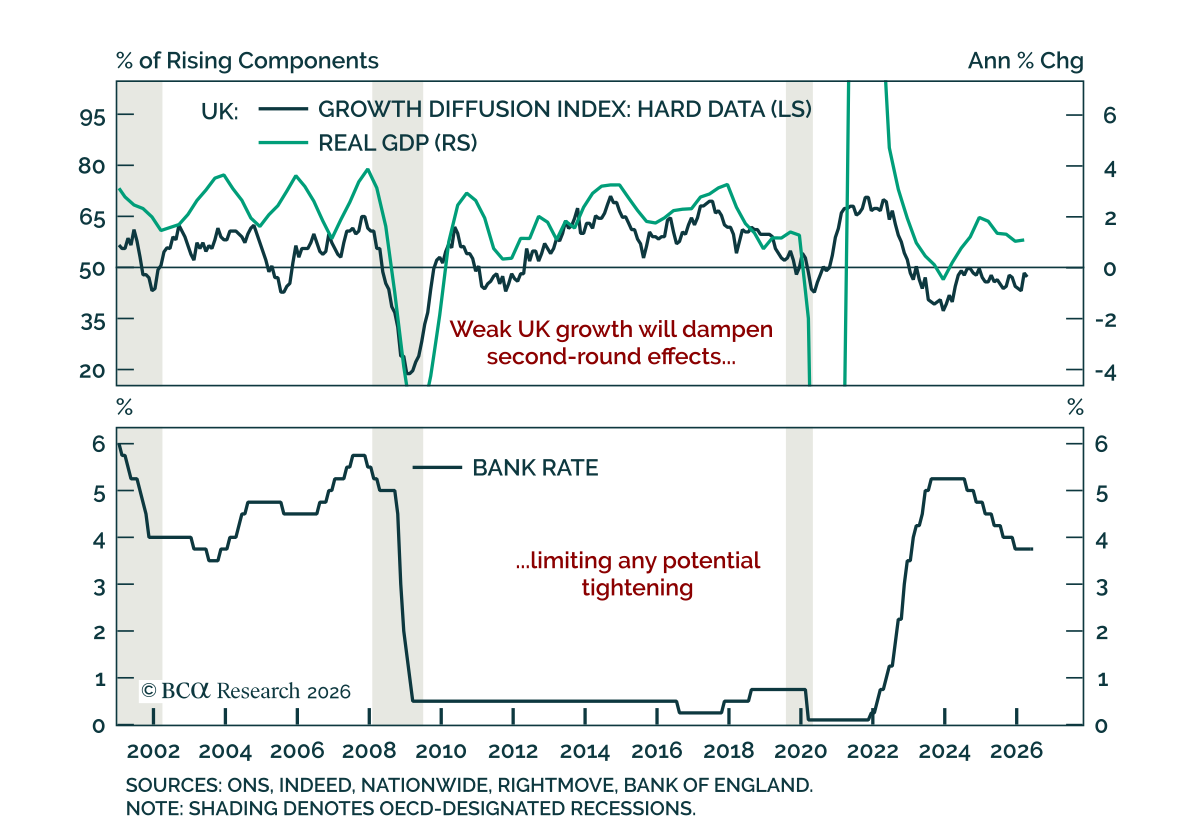
The Bank of England held rates at 3.75%, as expected; we remain overweight UK gilts on a 12-month horizon. The hold was a 7-2 decision, with the two dissenters favoring a hike. Those MPC members were concerned about second-round effects and pointed to…
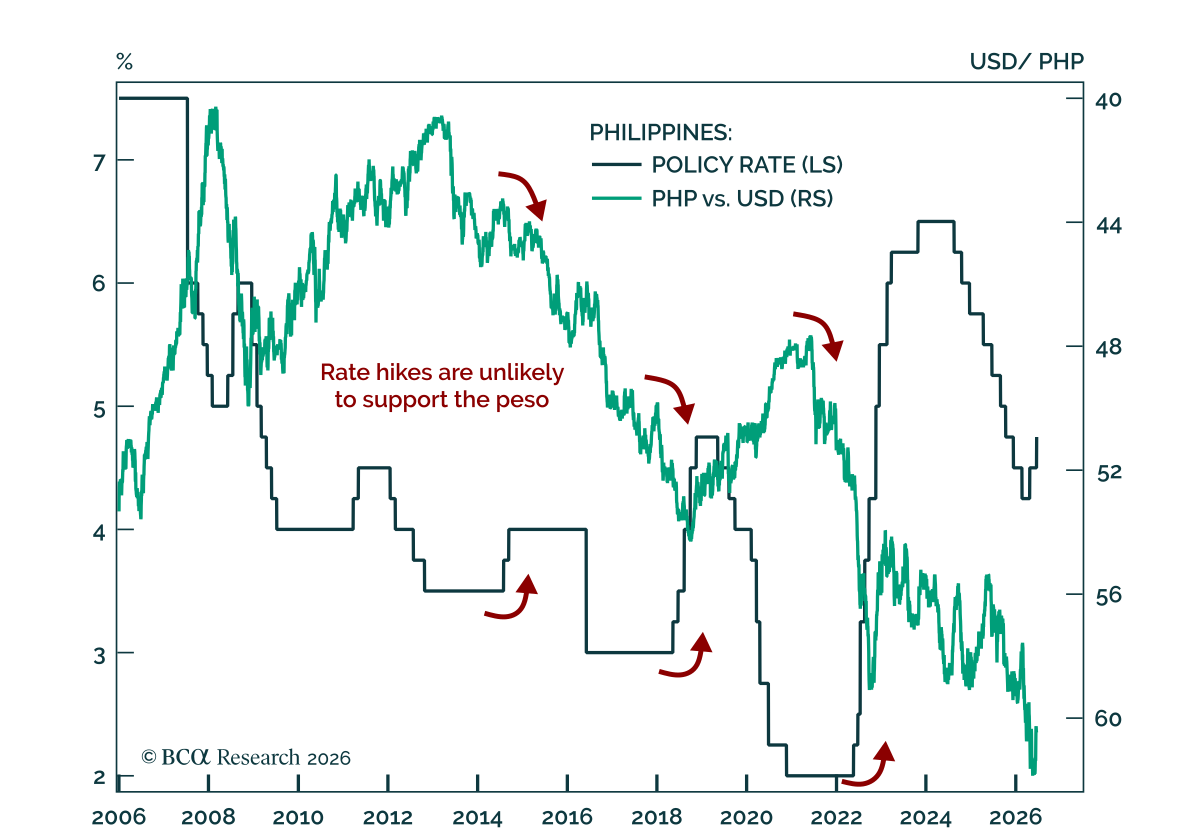
The Philippines’ central bank raised rates to 4.75%, but higher policy rates are unlikely to provide much support to the peso or local assets. The central bank hiked by 25 bps, citing rising energy and food inflation. With headline CPI already well above…
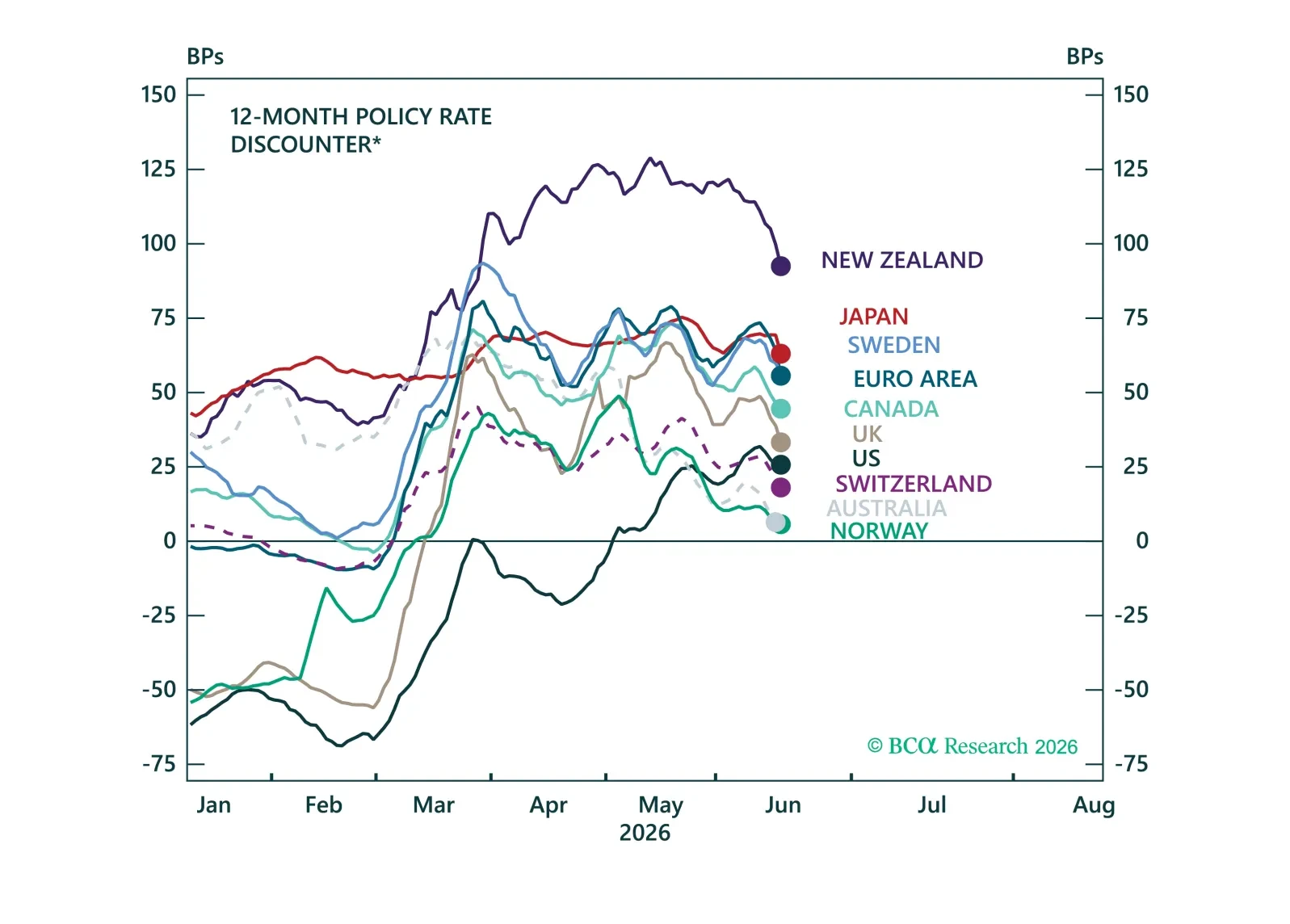
We react to DM central bank meetings this week and highlight the opportunities emerging across global fixed income and currency markets.

Kevin Warsh announced an ambitious reform agenda for the Federal Reserve. We discuss the potential impact and the current outlook for interest rates.
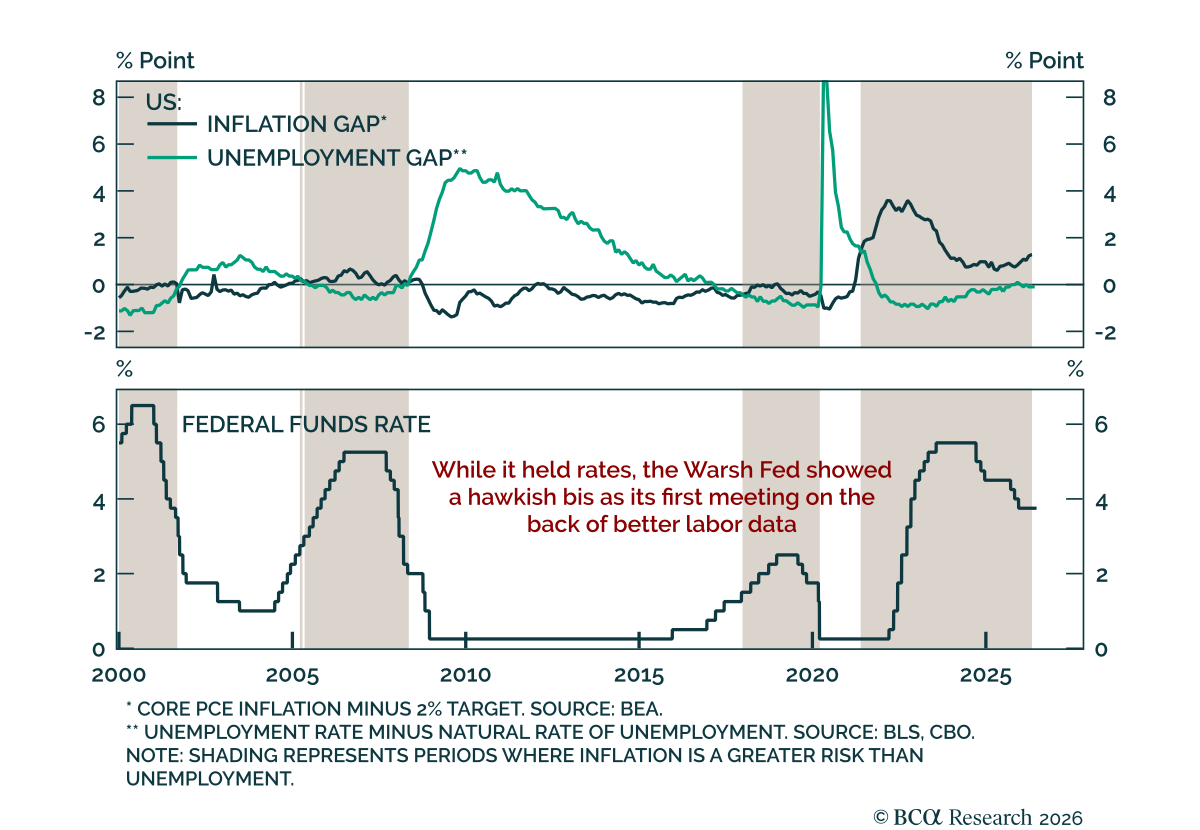
The Fed left rates unchanged at 3.5%-3.75% in a unanimous vote, yet the meeting tilted hawkish. The meeting marked a new era for Fed communication, with a much shorter statement and little, if any, forward guidance. The statement removed the easing bias that…
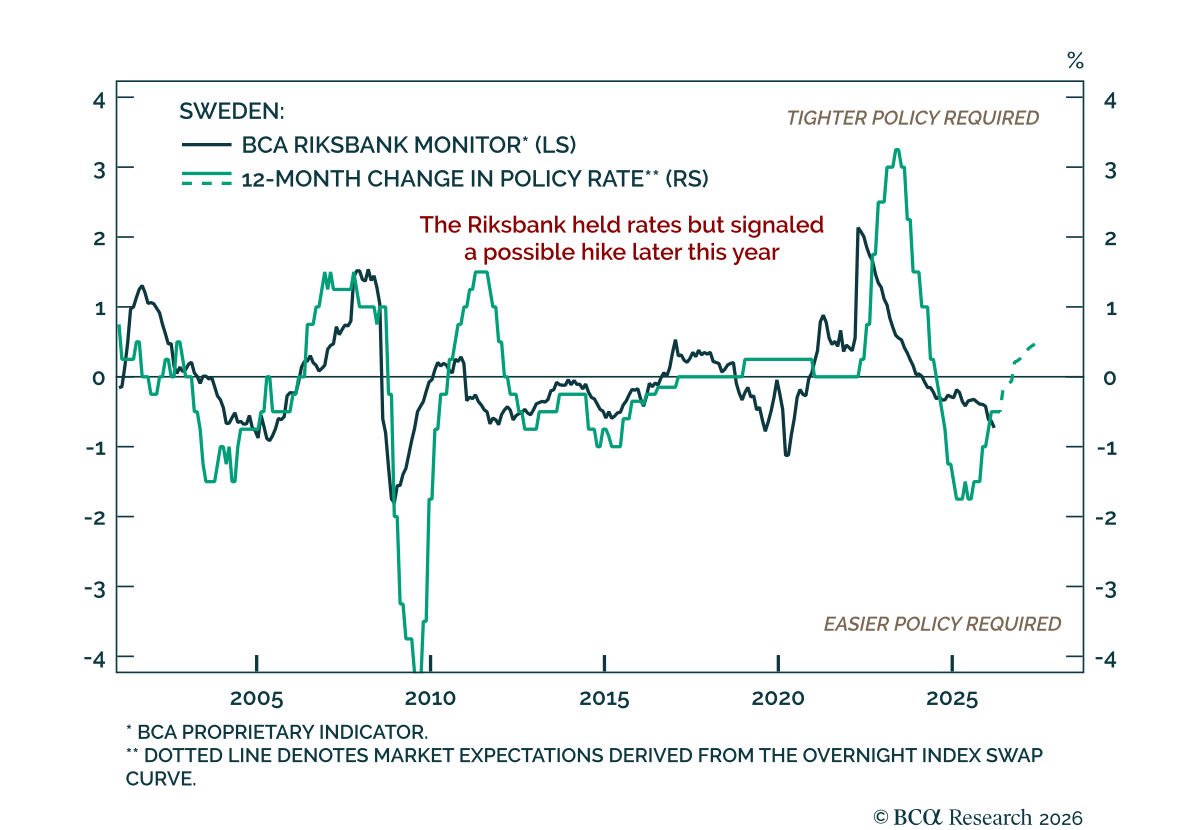
The Riksbank held its policy rate at 1.75% for the sixth straight meeting, as expected, but shifted its guidance in a hawkish direction. The central bank signaled a higher probability of a hike this year, citing rising inflationary pressures. This is a shift…
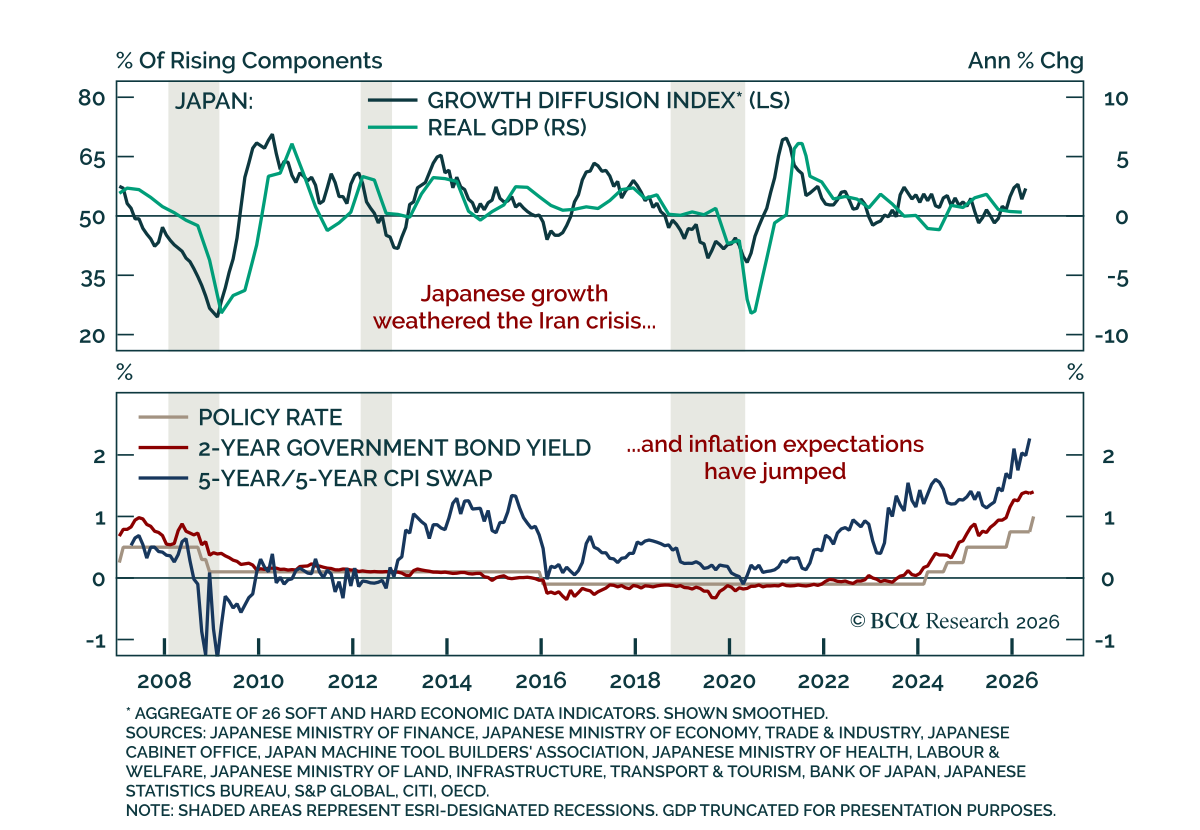
The Bank of Japan raised rates to their highest since 1995, but market pricing still understates the tightening path. The BoJ hiked 25 bps to 1%, as expected, in a 7-1 decision. This marks another step in Japan’s exit from its structurally deflationary…
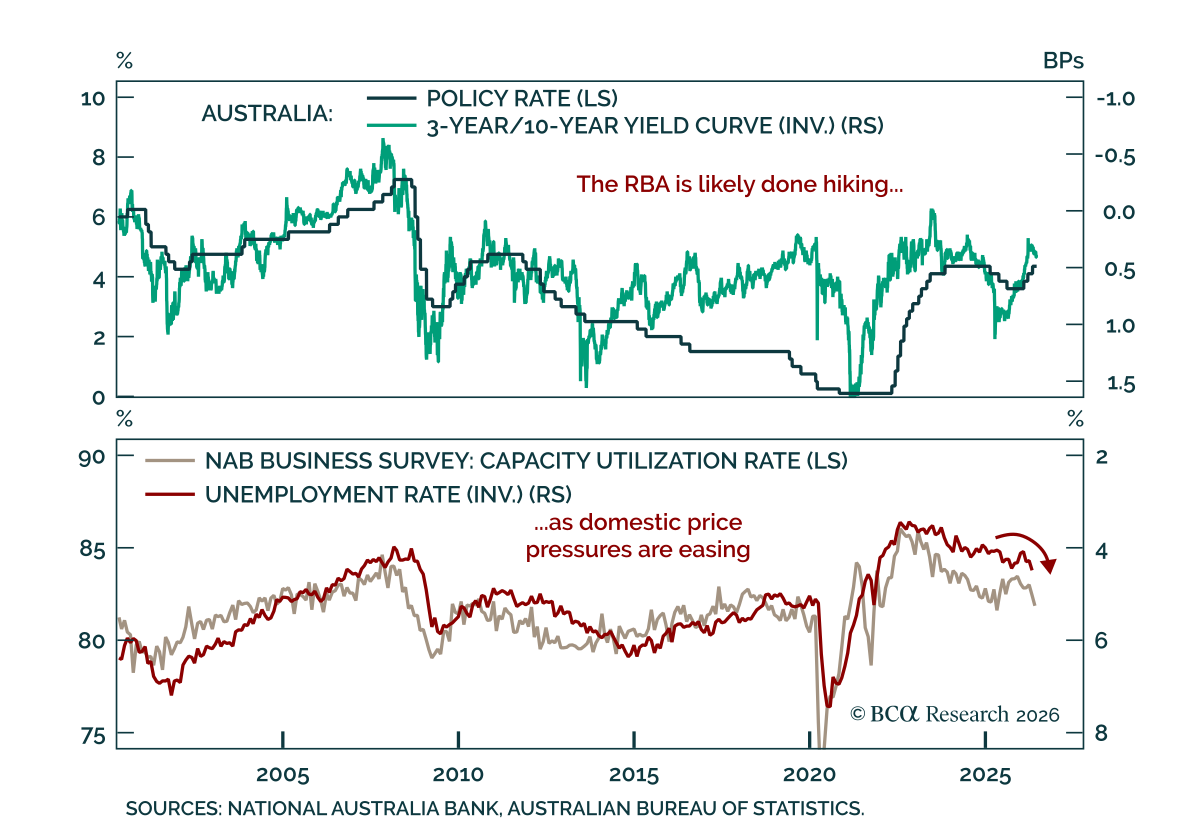
The RBA held rates, and further tightening looks unlikely despite the hawkish rhetoric. The policy rate was left unchanged, as expected, after three consecutive hikes totaling 75 bps. The decision was unanimous. Still, Governor Bullock declined to rule out…