Geopolitics
In this month’s Beta Report, we assess what that structural tension means for investors under two distinct scenarios. In our base case – a multipolar world order – Australia's position turns out to be more advantageous than it appears. The great power capital expenditure race generates demand for precisely what Australia produces. In the tail risk – a hard bipolar rupture – the calculus inverts, and the same commodity dependencies that long appeared as structural strengths begin to look like structural liabilities.
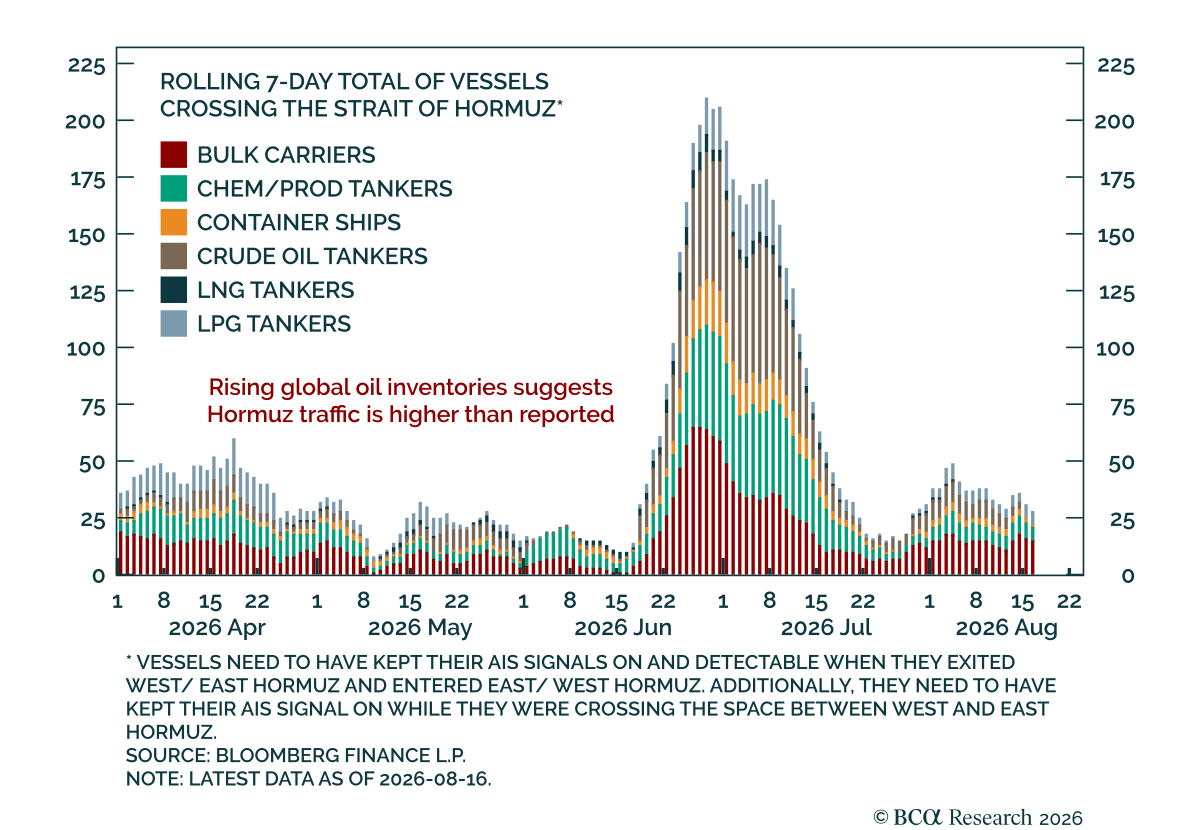
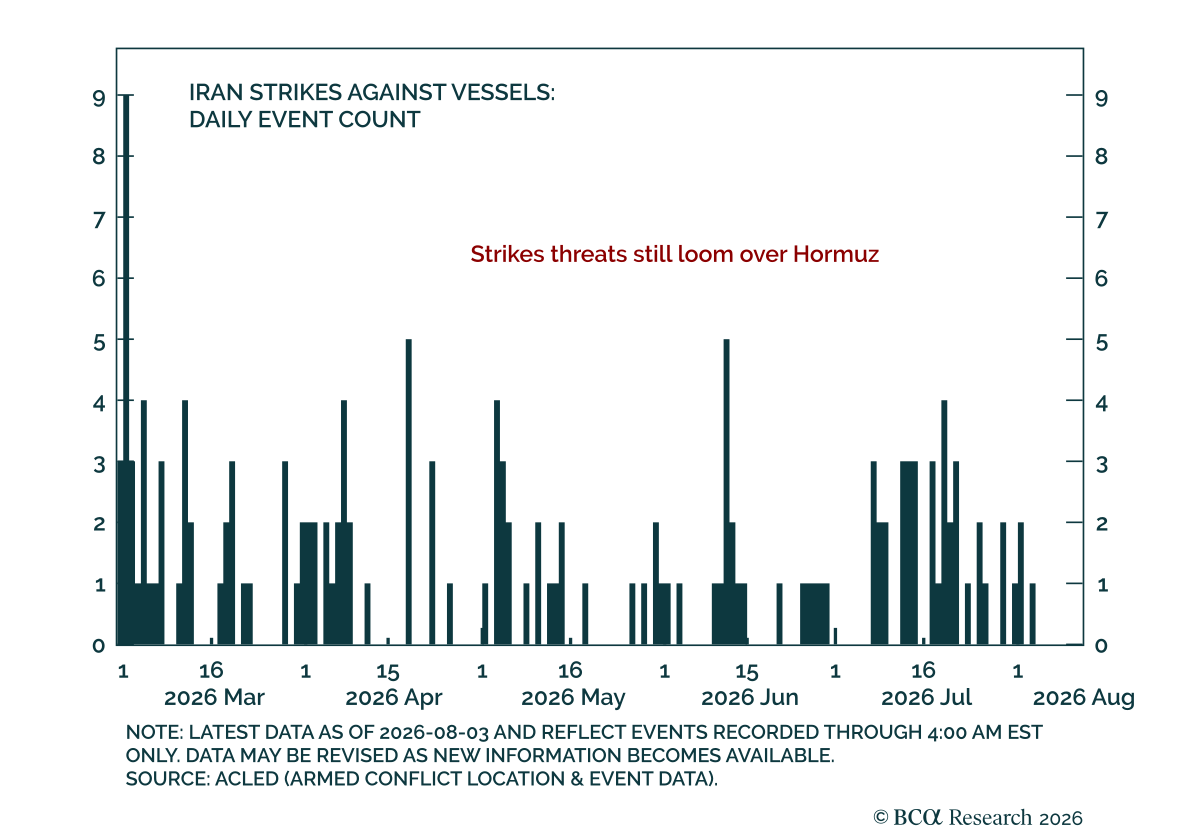
The tenuous ceasefire holds, with the "new geopolitical equilibrium scenario" remaining in place. Enough crude trickles through Hormuz to avert a global recession, but not to alleviate building inflationary pressures, a product of a complicated geomacro context that is not transitory. The Fed will look to ignore these in the short term, fueling the equity rally in the US. Chinese equities may pop thanks to the upcoming détente. When does it all end? Beware of major IPOs!
The dollar’s pullback masks a quiet improvement in its cyclical backdrop, with growth, monetary policy, and flows turning in its favor. As markets fully price out geopolitical risk, the USD should decouple from oil and better reflect these gains, despite lingering structural headwinds.
In this screener report, we explore opportunities in nuclear theme, geopolitical hedge, and winners from AI productivity boom.
The relief rally in stocks can continue a while longer. However, much can still go wrong. As such, we are retaining a 12-month underweight to stocks but are moving to neutral on a short-term tactical horizon.
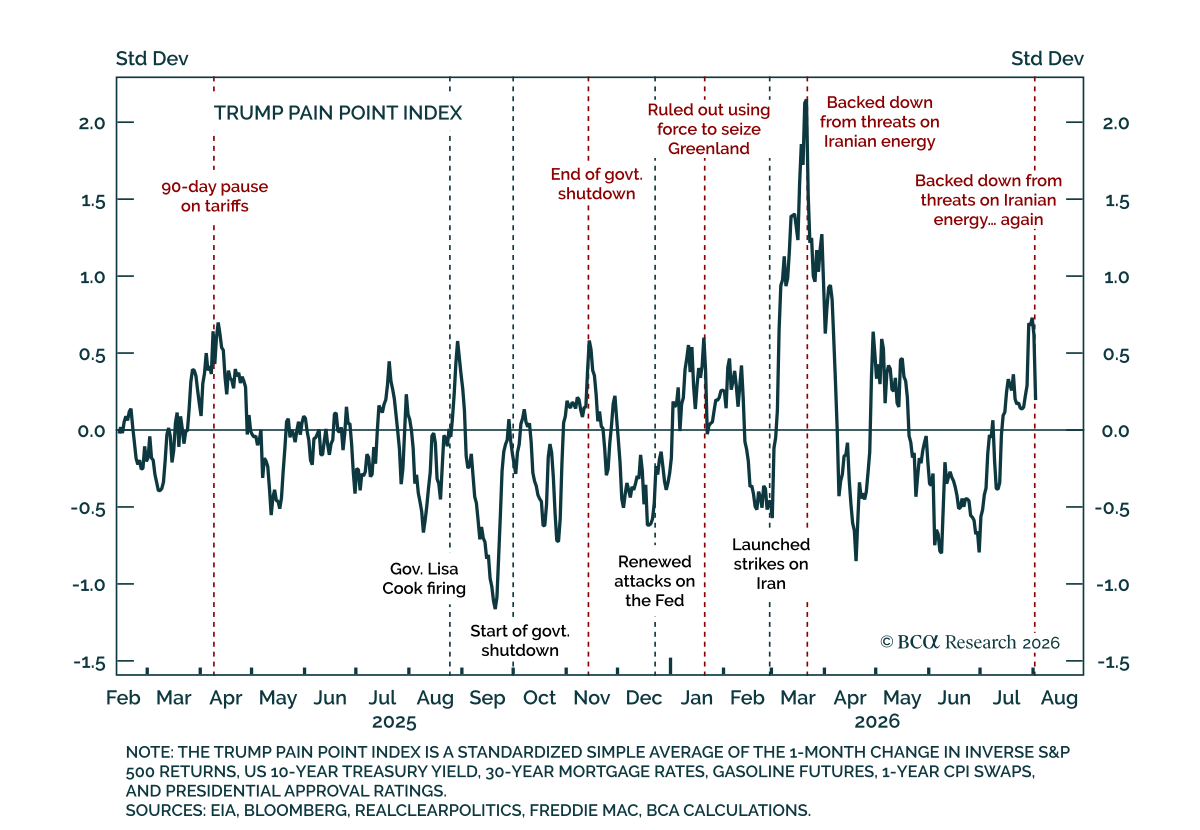
As we publish this regularly scheduled GeoMacro Alpha Report, President Trump is warning of civilization-ending strikes against Iran. A bluff? Stage Five on the Seven Steps of Maximum Pressure? A real threat to use weapons of mass destruction? The odds and pattern of Trump's behavior are skewed towards the former, but even small odds of the latter make trading the next 24 hours dangerous.
The Iran war provides a timely motivation for examining how the main financial asset classes and commodity sectors perform across different inflation regimes and during periods of elevated geopolitical risk.
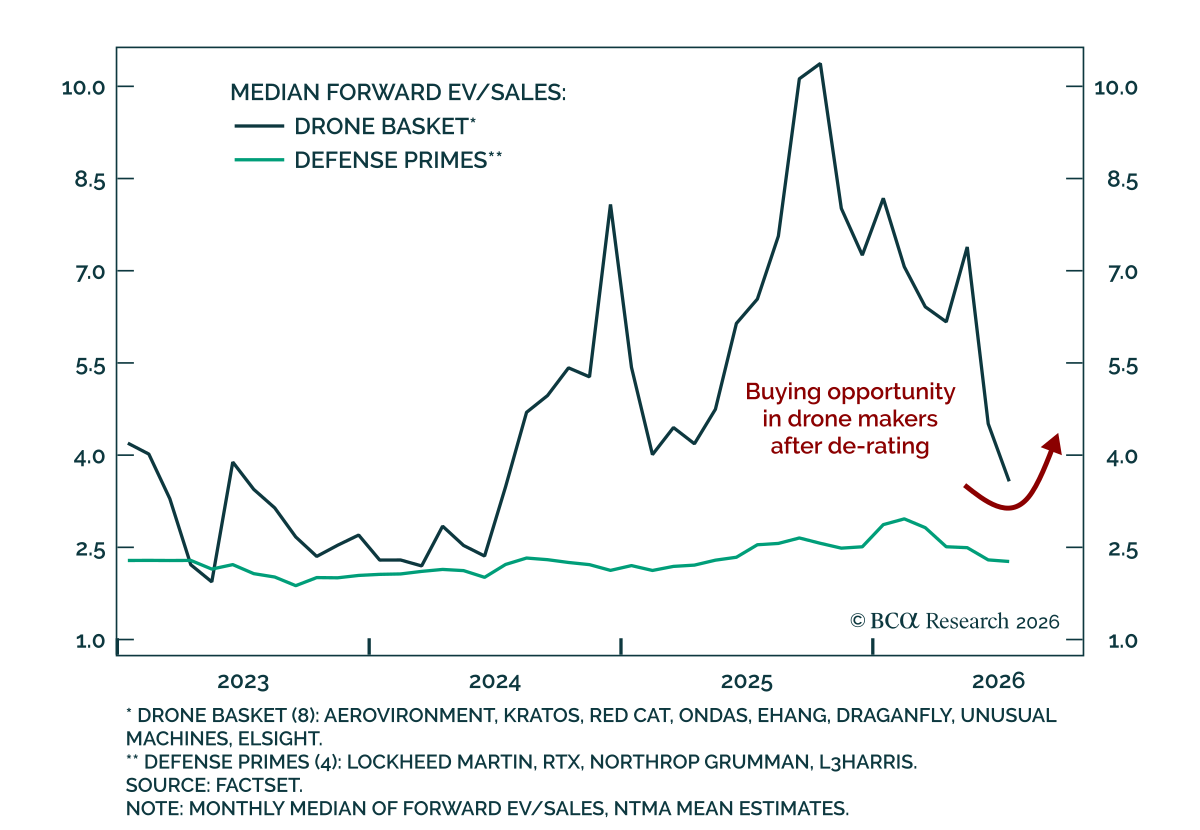
This screener report builds on the macro risk portfolio framework developed in the US Equity Strategy and Equity Analyzer collaboration published on 9 March 2026. Here, we apply the framework to analyze recent Middle East hostilities and identify how bottom-up equity positioning should adapt as the conflict evolves, which we analyzed in a US Equity Strategy report published on 16 March 2026.